بدأ التأمين السيبراني بقياس سرعة الاستجابة، وليس مجرد الضوابط
الذكاء الاصطناعي يضغط على الجداول الزمنية للمهاجمين، وشركات التأمين الإلكتروني تركز بشكل متزايد على مدى سرعة تمكن المؤسسات من الكشف والعزل والترقيع والتعافي.
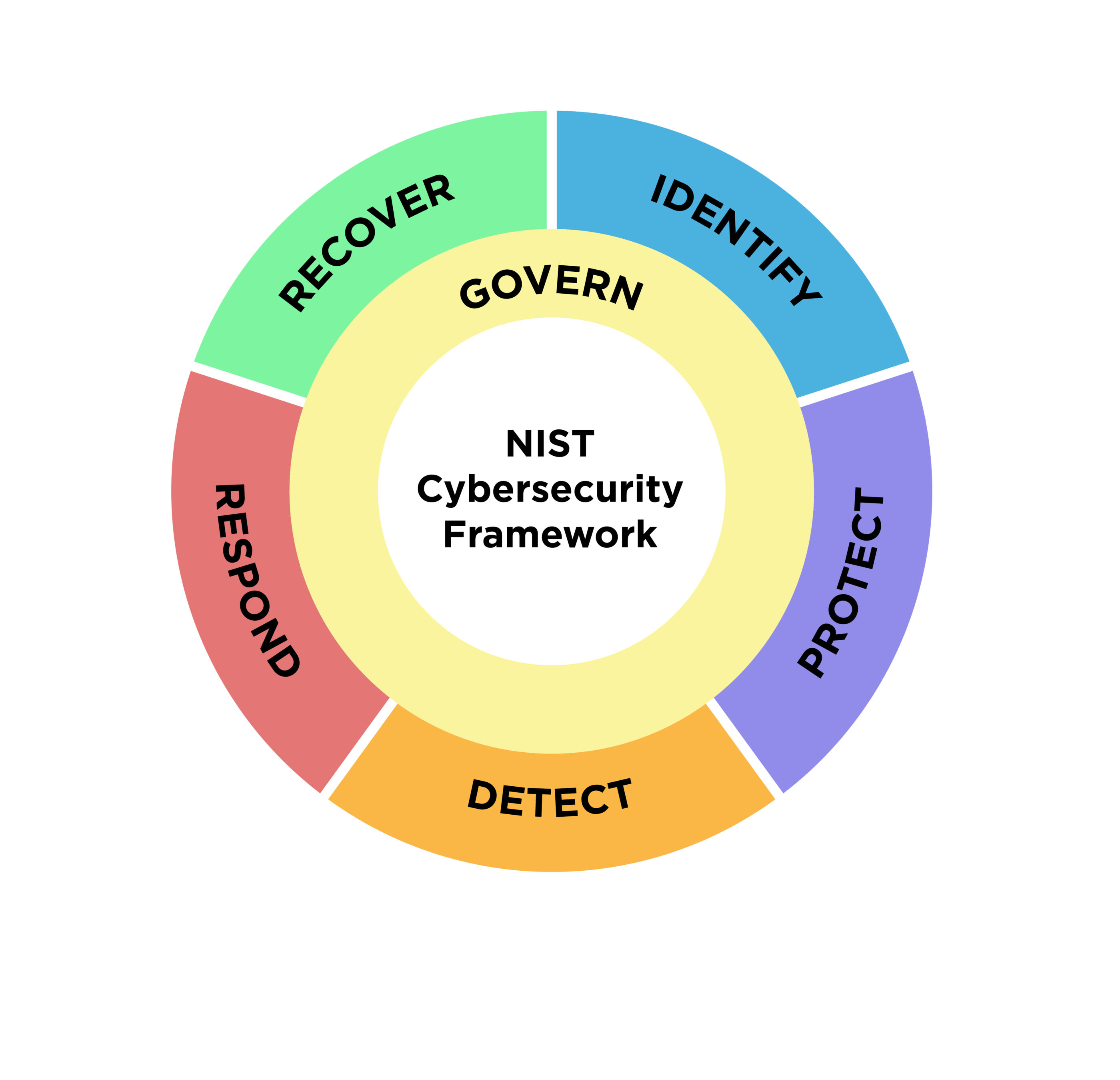 صورة المصدر: إطار عمل الأمن السيبراني لمعهد NIST.
تتكيف التأمينات الإلكترونية مع عالم يمكن فيه للذكاء الاصطناعي تسريع اكتشاف الثغرات، واستغلالها، والتصيّد الاحتيالي، وتنوع البرمجيات الخبيثة، وحجم الحوادث. والنتيجة هي تحول في تركيز الاكتتاب: لا تزال الضوابط الثابتة مهمة، لكن سرعة الاستجابة تصبح مقياسًا أساسيًا لنضج الأمان.
أفادت صحيفة وول ستريت جورنال أن شركات التأمين السيبراني تركز بشكل متزايد على مدى سرعة اكتشاف المؤسسات للثغرات، وتصحيحها، وعزلها، والتعافي منها مع إعادة الذكاء الاصطناعي لكتابة افتراضات الأمن. وهذا يتماشى مع اتجاه أوسع يشعر به فرق الأمن بالفعل: فالهاجمون لا ينتظرون نوافذ التصحيح الفصلية، أو سلاسل الموافقة الطويلة، أو الفرز اليدوي.
لماذا يغير الذكاء الاصطناعي سؤال التأمين
عادةً ما يسأل التأمين السيبراني التقليدي عما إذا كانت المؤسسة تمتلك المصادقة متعددة العوامل، واكتشاف واستجابة النقاط النهائية، والنسخ الاحتياطية، وترقيع الأنظمة، والتدريب، والتقسيم، وخطط الاستجابة للحوادث. تظل هذه الضوابط مهمة، لكن الذكاء الاصطناعي يغير افتراضات التوقيت وراءها.
إذا كان بإمكان المهاجمين أتمتة الاستطلاع، وإنشاء متغيرات الاستغلال، وكتابة طُعم الصيد الاحتيالي، واختبار الخدمات المكشوفة، وتكييف الحمولة الضارة بسرعة أكبر، فإن السؤال الرئيسي يصبح تشغيلياً: ما مدى سرعة تمكن المؤسسة من التحرك؟
هذا يعني أن شركات التأمين والمجالس والعملاء سيهتمون بشكل متزايد بالقدرة القابلة للقياس على الاستجابة:
- متوسط الوقت لاكتشاف النشاط المريب.
- متوسط الوقت لاحتواء نقطة نهاية أو حساب أو عبء عمل سحابي أو جزء من الشبكة.
- الوقت لتصحيح الأنظمة الحرجة المواجهة للإنترنت.
- الوقت لتغيير بيانات الاعتماد المكشوفة وإلغاء الجلسات.
- الوقت لاستعادة الخدمات الحرجة من النسخ الاحتياطية المعروفة بأنها سليمة.
- الوقت للتحقق من أن الإصلاح قد أزال فعليًا وصول المهاجم.
مشكلة التجميع
يشعر المؤمنون بالقلق أيضًا بشأن الخسائر المترابطة. فقد يؤثر استغلال ثغرة واحدة واسعة النطاق، أو فشل خدمة سحابية، أو اختراق مزود الهوية، أو نمط إساءة استخدام نموذج الذكاء الاصطناعي، أو حادث في سلسلة توريد البرامج على العديد من حملة البوالص في وقت واحد.
يمكن للذكاء الاصطناعي أن يزيد من سوء ذلك عن طريق تقصير الوقت بين الكشف والتسليح والاستغلال الجماعي. العيب الذي كان يستغرق أيامًا لتشغيله قد يتحول إلى حملة عملية بسرعة أكبر. وهذا يجعل من الصعب تقدير مخاطر التجميع ويخلق ضغطًا على حاملي السياسات لإظهار القدرة على الصمود، وليس مجرد الوقاية.
ما الذي يجب أن تقيسه فرق الأمن
يجب على المؤسسات الاستعداد لأن تصبح أسئلة التأمين السيبراني أكثر استنادًا إلى الأدلة. لن يكون من الكافي القول بوجود خطة للاستجابة للحوادث. يجب أن تكون الفرق قادرة على إظهار:
- تصحيح اتفاقيات مستوى الخدمة (SLAs) حسب أهمية الأصول والتعرض للإنترنت.
- دليل على أن التصحيح الطارئ يمكن أن يتجاوز الدورات الشهرية العادية.
- نتائج اختبارات استعادة النسخ الاحتياطي وأداء وقت التعافي.
- اختبارات عزل EDR واختبارات إلغاء جلسات الهوية.
- سجلات تثبت أن الأنظمة الحرجة ترسل البيانات عن بُعد إلى SIEM أو بحيرة البيانات.
- تمارين مكتبية تشمل اختراق السحابة، وهجمات الفدية، وسوء استخدام الهوية، وانقطاعات الأطراف الثالثة.
- مؤشرات تغطية المصادقة متعددة العوامل المقاومة للتصيد، وليس مجرد تسجيل المصادقة متعددة العوامل.
- الاستثناءات المعروفة، الضوابط التعويضية، وأصحاب الأعمال لتأخير الإصلاح.
نموذج المرونة العملية ## A
يمكن لقادة الأمن أن يؤطروا المحادثة الجديدة حول التأمين حول أربع سرعات:
- سرعة الكشف: ما مدى سرعة معرفتنا بأن هناك خطأ ما؟
- سرعة اتخاذ القرار: ما مدى سرعة الشخص المناسب في تفويض الاحتواء؟
- سرعة الاحتواء: ما مدى سرعة قدرتنا على عزل الحسابات أو المضيفين أو أعباء العمل أو مسارات الشبكة؟
- سرعة الاسترداد: ما مدى سرعة استعادة النظام بأمان دون استعادة المهاجم؟
الهجمات المدعومة بالذكاء الاصطناعي تضغط على الأربعة جميعها. الشركة التي تكتشف بسرعة لكنها تنتظر أيامًا للحصول على موافقة على الاحتواء ما زالت معرضة للخطر. الشركة التي تقوم بالتحديثات بسرعة لكنها لا تستطيع تدوير بيانات الاعتماد قد تتعرض للاختراق. الشركة التي لديها نسخ احتياطية ولكن لا تجري اختبارات الاستعادة قد تكون قصة التعافي لديها موجودة فقط على الورق.
الخط النهائي
تأمين الإنترنت أصبح بمثابة مرآة للأمن التشغيلي. السوق بدأ يكافئ المؤسسات التي يمكنها إثبات أنها تتحرك بسرعة تحت الضغط.
بالنسبة لفرق الأمن، الرسالة مفيدة: قِس الأشياء التي تحدد الحوادث. الضوابط مهمة، ولكن في بيئة التهديدات المعجلة بالذكاء الاصطناعي، السرعة تعتبر ضبطاً.