Evolve on Sundays: انضم عملاء الذكاء الاصطناعي إلى الهجوم على شبكات حكومة تايوان
يتصدر هذا الإصدار الاختراق بمساعدة الذكاء الاصطناعي في أنظمة الحكومة التايوانية، يليه استغلال Windows ليوم الصفر، وتسوية N-central، وسرقة بيانات القطاع العام الحساسة، والسياسة السيبرانية الهجومية، وبرامج الفدية، والتكنولوجيا، والبرمجيات، وCyber Kill Chain.
 ♪الذكاء الاصطناعي انتقل العملاء من نظرية الأمن إلى تدخل حكومي موثق، صورة: مكوكاتستوك.*
الأمن، البرمجيات، والاستخبارات التقنية للأسبوع القادم.
نافذة التغطية: الأحد، 9 آب/أغسطس إلى السبت، 15 آب/أغسطس 2026، مع التحقق النهائي من التحرير صباح يوم الأحد، 16 آب/أغسطس.
لمدة أربعة أيام في أوائل تموز/يوليه، وفقا للملفات التي استردها الباحثون في مجال الأمن، مجموعة من الملفات الذكاء الاصطناعي ونجح عملاء في طريقهم عبر نظم الحكومة التايوانية، فبحثوا وفشلوا وعادوا النظر وحاولوا مرة أخرى، وبحلول انتهاء العملية، قال الباحثون إن عشرات الحسابات قد تعرضت للضرر، وأُخذت آلاف سجلات الموظفين، وأكدت تايوان فيما بعد حملة في الخارج شملت حملة في الخارج شملت عملية شملت عملية ما بعد انتهاء العملية. الذكاء الاصطناعي وبالرغم من أن هناك أسئلة هامة - بما في ذلك درجة الاستقلال الذاتي والصلة الصينية المشبوهة - لا تزال دون حل.
وقد أكدت فرنسا سرقة سجلات مفصلة لدافع الضرائب بعد أن ظهرت بيانات للبيع، وخلصت سويسرا إلى أن وثائق التفويض المتعلقة بالدفاع الاتحادي لا يمكن أن تكون قابلة للتداول. SharePoint الخوادم تعرضت للاختلال Microsoft واجهوا مستغلين Windows عيب داخل تحديث يحتوي على ما يقرب من 400 مُعالجة، في حين N-able وقد أُفصح عن أن البرامج الحاسوبية التي يُثق بها في إدارة حواسيب أخرى قد أصبحت في حد ذاتها نقطة دخول.
خارج الأمن، إطلاقات منتجات الأسبوع تكشف عن صراع أكثر هدوءاً على السيطرة Google يريده Pixel الهواتف لتصبح سمسارات السياق الشخصي Meta يقسم طموحاته بين النماذج التي تديرها محلياً والنظم التي تم تسليمها من السحابة، بينما يكتشف متعهدو البرمجيات الذكاء الاصطناعي يمكن أن تجعل الشفرة والنتائج وفرة دون أن تصدر حكماً من الخبراء أقل شحة.
وفي جميع هذه الأقسام، تتراجع نفس المشكلة التشغيلية: فالنظم الحاسوبية تكتسب القدرة على العمل بسرعة أكبر مما يمكن للمؤسسات أن تتحقق منها أو تحكمها أو تصلحها، والأسئلة ذات الصلة هي التي تستطيع أن تحدد ما حدث، حيث تظل المساءلة، وما إذا كانت الضوابط يمكن أن تعمل بسرعة التكنولوجيا التي تحكمها.
منهجية التحرير: Evolving Cyber ويعطي الأولوية للمستشارات المتعلقة بالبائعين، والإخطارات الحكومية، والسجلات التنظيمية، والبحوث الأصلية، ونحن نفصل الاستغلال المؤكد من مطالبات الباحثين، ونحدد بوضوح المسائل التحليلية أو التي لم تحل، وتنتهي كل صفحة من صفحات الصحف بقائمة مصادرها الخاصة.
01أبرز الأخبار الأمنية
انضم وكلاء الذكاء الاصطناعي إلى هجوم على تايوان وغيّروا وتيرة الحرب السيبرانية
 ربط الباحثون المشغلون المستردون بالصلة الصينية المشتبه بها، في حين لا تزال العزو العام غير مؤكد.
ولفترة أربعة أيام في بداية تموز/يوليه، انتقلت عملية رقمية من خلال شبكات حكومية في تايوان بفرضية قال الباحثون أنها غير عادية حتى بمعايير الهجوم الآلي. الذكاء الاصطناعي وقد عمل المرشدون في وقت واحد، وعندما فشل أحد الطرق، بحث آخر عن نقطة ضعف مختلفة، فتحت الحسابات إمكانية الوصول إلى النظم المرابطة؛ وأبلغت المعلومات التي تم جمعها في مكان ما المحاولة التالية في مكان آخر.
ويأتي هذا الحساب من مختبرات البحوث في الأحلام، التي قالت إنه استرد محفوظات عمل من 160 ميغابايت تحتوي على 395 1 ملفاً، وتصف إعادة إعمارها 12 موجة من النشاط عبر 21 نظاماً حكومياً، و85 حساباً مضراً على الأقل، و500 2 سجل من سجلات الموظفين المستخرجين، ثم تحولت العملية فيما بعد إلى وكالة للسلامة النووية، وسبع شركات للطاقة، وموردين حكوميين، وغير ذلك من النظم العامة.
لم يكن هناك أي من نقاط الضعف المُبلغ عنها مُذهل تكنولوجي، ووصف المحققون كلمات سر يمكن التنبؤ بها، وخدمات التنمية المُعرّضة، ووصلات وصل غير مُوثّقة بشكل كاف، ووصلوا بالطلبات التي أوصّلت على ثقة كبيرة في نفس الهويات، وما تغيّر هو قدرة المُشغّل على السعي إلى تحقيق العديد من نقاط الضعف العادية في آن واحد، وعلى الاستمرار بعد فشل الجواب الأول.
وزارة الشؤون الرقمية في تايوان أكدت بشكل منفصل أن الوكالات الحكومية واجهت حملة في الخارج تجمع بين النشاط الإنساني التقليدي الذكاء الاصطناعيهذا التأكيد يرتكز على القصة في تطفل حقيقي بدلاً من عرض مختبري
صلة مشتبه بها بالصين، من دون إسناد علني
لم يُسمّم الحلم مجموعة تهديد، وينشر المحفوظات الكاملة أو يُحدد نموذج اللغة خلف العملاء، وجد الباحثون صينيين مبسطين في المواد الداخلية للمشغلين و الصينيين التقليديين في الملفات المسروقة، والتفاصيل الأولى تشير إلى لغة عمل المهاجمين، والثانية متسقة مع الضحية التايوانية، إلى جانب اختيار الأهداف، تدعم الأدلة الشك في مشغّل ذي الصلة بالصينية، ولا تثبت أن حكومة الصين قد وجهت الحملة.
وهناك شكوك مماثلة حول العبارة التي تسافر في أقصر فترة هذا الأسبوع: " أول ضربة إلكترونية مستقلة من نهاية إلى نهاية ضد حكومة " . الذكاء الاصطناعي- لا تثبت الأدلة العامة أن البشر لم يبتوا في كل قرار مترتب عليه، ما يثبته هو ما يلي: الذكاء الاصطناعي واستخدم عملاء أثناء هجوم حقيقي، ووجد الباحثون أدلة على أنهم أدوا أعمالاً تتجاوز صياغة بريد إلكتروني أو تقترح أمراً.
وهذا هو العتبة الأكثر استدامة، إذ لا تصبح العمليات الإلكترونية مهمة استراتيجياً إلا عندما تعمل الآلة وحدها، بل تتغير عندما يستطيع أحد المشغلين الاحتفاظ بخطوط متعددة من الهجمات المتحركة، والحفاظ على السياق عبر النظم، وتفويض فريق للاستطلاع أو التكيُّف الذي استهلكه مرة واحدة.
لماذا يهم عدد الحسابات المخترقة
فالحسابات المتنازل عنها التي يبلغ عنها 85 حسابا هي أكثر أهمية من كونها خريطة ثقة إجمالية، إذ أن الهويات الحكومية عادة ما تعبر البريد الإلكتروني، ونظم الوثائق، والبوابات الإدارية، والبيئات الإنمائية، وتطبيقات الموردين، وعندما تنجح الهوية، يمكن للمهاجم أن يسأل أي خدمة أخرى تقبلها، وما هي الأدوار التي تقوم بها وما إذا كان نشاطها عاديا في النظام التالي، ويمكن لوكيل قادر على تكرار هذه المسألة عبر حسابات كثيرة أن يحول دون وصول متواضع إلى خريطة طريق مؤسسية.
ويتمتع سجل الأفراد البالغ 500 2 سجل بقيمة مماثلة من ثاني أعلى، وحتى في الحالات التي لا تتضمن فيها الملفات مواد مصنفة، وأسماء وأدوار، وخطوط إبلاغ، ومعلومات الاتصال، يمكن أن تدعم في وقت لاحق الهجمات الإبداعية، وتنتزع الأشخاص ذوي الدخول المحظورة، وتستهدفهم، وبالتالي فإن استخراج البيانات وقيمتها الاستخبارية هي أجزاء منفصلة من الأثر.
محفوظات الأحلام تقدم مواد مفصلة بشكل غير عادي من جانب المشغلين لكنها لا تزال أدلة مختارة ومفسرة من قبل منظمة بحثية واحدة التصديق المستقل سيكون أقوى من القياس عن بعد للشبكة من الوكالات المتضررة، وحساب أكمل لدليل المحفوظات ونشر المؤشرات التي يمكن للمحققين الآخرين أن يقارنوها بالحملات السابقة، تأكيد تايوان ينشئ عملية هجينة حقيقية، ولا يصادق تلقائيا على كل عدد أو تقرير بحثي في مجال الإطلاع.
اكتشفت فرنسا سرقة سجلات ضريبية تفصيلية بعد عرضها للبيع
 (أكّدت إدارة الضرائب في (فرنسا تدخلاً بعد عرض سجلات مفصلة للبيع، الهوية الرسمية:
أكدت الإدارة العامة للمالية في فرنسا تعرضها لهجوم سيبراني بعد عرض معلومات تفصيلية عن دافعي الضرائب للبيع. واحتوت عينة راجعتها صحيفة Le Monde على أكثر من 600 ألف سجل يخص أفراداً أو شركات. وشملت الحقول المبلغ عنها الأسماء والعناوين وأرقام الهواتف والدخل الخاضع للضريبة ومعدلات الضرائب وأفراد الأسرة المعالين وتفاصيل مرتبطة بالممتلكات، إضافة إلى مكتب المالية العامة أو الموظف المسؤول عن الملف.
وقال المسؤولون إن الوصول غير المأذون به قد تم قطعه في نهاية حزيران/يونيه أثناء عملية تفتيش روتينية، ولكن لم يتم الكشف عن هذا الاستخراج في ذلك الوقت، ولم يُكشف الانتهاك إلا بعد أن أعلن المهاجم المعلومات، ويكشف التسلسل عن ضعف متكرر في الاستجابة للحوادث: إذ يمكن للمنظمة أن تغلق الباب دون معرفة من دخله، أو إلى متى ما بقي عليه أو ما حملوه.
السجلات الضريبية مفيدة بشكل غير عادي من المواد الخام للاحتيال، المجرم الذي يعرف دخل الشخص، والمعالين، والملكية، والعلاقة مع مكتب حكومي معين يمكنه أن يبني نهجاً أقل شبهاً باحتيال عام، وأكثر من كونه استمراراً لمحادثة رسمية، وبالنسبة للأشخاص في الملفات، لا يقتصر الخطر على حياة كلمة سر، ويمكن أن تظل المعلومات مقنعة لسنوات.
ومن ثم فإن العمل المتبقي في فرنسا هو عمل الطب الشرعي وكذلك الإداري: إعادة بناء الهوية المستخدمة، وعمليات التفتيش أو الصادرات التي تجرى، والسكان المعرضين فعلا، وسوف تتوقف نوعية التوجيه العام على هذه التحديد، لأن التفاصيل الضريبية المسروقة تدعم الاحتيال الأكثر مصداقية وأطول مدة من التسرب الإبداعي العام.
اختراق خوادم SharePoint الفيدرالية السويسرية وصل إلى حسابات موثوقة
 مكتب تكنولوجيا المعلومات الفيدرالي في سويسرا أكد SharePoint- تدخلات متصلة بالمستعملين والحسابات التقنية - صورة: مكوكات.
مكتب سويسرا الفيدرالي لتكنولوجيا المعلومات، النظم والاتصالات السلكية واللاسلكية قال أن المهاجمين تنازلوا عن وثائق تفويض مرتبطة بحوالي 200 حساب من المستخدمين وحسابات تقنية بعد نشاط مشبوه على المستوى الاتحادي SharePoint خوادم
ولاحظ المتخصصون أن نشاطا غير نظامي في 28 تموز/يوليه وعرقل الوصول، وبعد ثلاثة أيام، قرر المحققون أن وثائق التفويض قد تعرضت للاختلال وإعادة صياغة كلمات السر المتأثرة. SharePoint خوادم وحافظت على وصول خارجي محاصر خلال العمل
وقال المسؤولون السويسريون إن المنبر المتأثر لا يتضمن معلومات سرية أو بيانات شخصية قيمة، وأنه لا يجد أي إمكانية للحصول على بيانات أخرى، فالتقارير تربط الحادث بموجة أوسع من المستغلين على أرض الواقع. SharePoint ولم يحدد الإعلان السويسري على الملأ الضعف الدقيق، وقد تأكد أثر الاقتحام والحسابات؛ ولا تزال سلسلة الاستغلال المحددة تقييماً مبلَّغ عنه.
وتصف الحالات الفرنسية والسويسرية أنواعا مختلفة من عدم اليقين المؤسسي، ففرنسا تعرف أن طريقا غير مأذون به قد أغلق، ولكنها لم تكن تعلم في البداية أن البيانات قد تركت، وقد حددت سويسرا وثائق تفويض مضرة، ولكنها واصلت التحقيق في ما يمكن أن تصل إليه هذه الهويات، وفي كلتا الحالتين، يتوقف التعافي على إعادة بناء مسار المهاجم - ليس مجرد استبدال العنصر الذي دخل منه المعتدي.
02أبرز الأخبار الأمنية · متابعة
وصل المهاجمون إلى منصة الإدارة التي تتحكم في حواسيب شركات أخرى
 ♪N-able :: إصدار موجة ساخنة ثانية بعد الرصد كشفت عن مسار هجوم آخر يؤثر على N-centralالصورة: ورقة معلومات أساسية
مُمثل تهديد مجهول استغل N-able' N-central وقالت الشركة إن منبر الإدارة عن بعد للحصول على إمكانية الوصول الإداري دون أن توثق أولاً. N-able لم يُسمّى المهاجم علناً أو يُنسب العملية إلى حكومة أو جماعة إجرامية.
وقد اكتشف الاقتحام في 31 تموز/يوليه من خلال الرصد الذي تم تشغيله مع شركة ألومين الأمنية. N-able وأصدرت محطة ساخنة أولية، ولكن المراقبة المستمرة كشفت عن طريق ذي صلة إلى المنصة، ونسخة أخرى من النسخة 2026-3-1-10، حلت محل الأولى، وتجاوزت المسائل المتعلقة بالتسلسل لأن العملاء الذين قاموا فقط بإصلاح أولي كان يمكن أن يعتقدوا بشكل معقول أن العمل العاجل قد انتهى عندما لم يكن قد انتهى.
N-central ويستخدمها مقدمو الخدمات المدارون والإدارات الداخلية لتكنولوجيا المعلومات لإدارة العديد من الحواسيب من أحد المتعهدين، ويجوز للمشغل المأذون له نشر البرمجيات، وتنفيذ النصوص، وعقد دورات مفتوحة عن بعد، وتشكيلات للتغيير في جميع بيئات العملاء، ولا يتحكم المهاجم الذي يرث تلك السلطة في مجرد أمر البرمجيات. N-central خادم، يمكن للمنبر أن يضع كل نظام يدار من خلاله في متناول اليد.
N-able لم ينشروا عد كامل لخواديم مُهينة أو نقاط نهاية المجرى، لذا فإن مجموع الضحايا الموثوق به غير متوفر بعد، الحقائق المؤكدة خطيرة بما فيه الكفاية، حيث تم استغلال الضعف، وتم الحصول على وصول إداري غير مُشفى، ووجد البائع مسار هجوم ثان بعد رده الأول، وبالنسبة للمنظمات التي يحتمل أن تتأثر، تتضمن الأدلة ذات الصلة نشاط منصة الإدارة خلال فترة التعرض، وكذلك حالة التركيب لأحدث نقاط الارتعاش.
قد تستعين واشنطن بشركات خاصة في عمليات سيبرانية هجومية
 تستند المذكرة المبلغ عنها إلى أمر تنفيذي صدر في آذار/مارس، يُوجِّه تعطلا منسقا للمنظمات الإجرامية الأجنبية التي يمكن أن تكون خاضعة للخط الإلكتروني، صورة رسمية: البيت الأبيض.*
ووقع الرئيس دونالد ترامب مذكرة تهيئ مسارا للشركات الأمريكية المتحققة للمشاركة في مراقبة المنظمات الإجرامية الأجنبية عبر الوطنية وإخلالها بتوجيه من الحكومة، وفقا للتقارير التي نشرت هذا الأسبوع، وستقدّم الشركات المشاركة مقترحات تنفيذية، وتعمل بموجب إذن اتحادي، وتضع مليون دولار في الضمان كجزء من الإطار المبلّغ عنه.
والأهداف المنشودة هي المنظمات الأجنبية التي تعمل في مجال الجرائم السيبرانية، والاحتيال، والفدية، وغيرها من المخططات ضد الأمريكيين - غير المواطنين أو النظم المحلية، وإذا انتقلت عملية إلى ما وراء حدودها المعتمدة، يُذكر أن الشركة ستكون مطالبة بالتوقف، والتقليل إلى أدنى حد من الآثار، وإخطار مركز التنسيق الوطني التابع للحكومة.
الإطار المُبلغ عنه ليس رخصة عامة لشركة تعاني من خرق للانتقام على الإنترنت، بل سيضع قدرة تقنية خاصة داخل مهمة تسيطر عليها الحكومة، وأمور التمييز لأن البنية التحتية الجنائية قد تتواجد على خادم شركة بريئة، أو تعمل من بلد متحالف أو تتداخل مع تحقيق في الاستخبارات، وتسبب الاضطرابات الخاطئة في تدمير الأدلة، أو التأثير على منظمة غير متصلة بها، أو إحداث حادث دبلوماسي.
ويمكن أن توسع هذه السياسة نطاق مجموعة الأشخاص والأدوات المتاحة لمتابعة مجموعات الفدية وشبكات الاحتيال، ولكن شرعيتها ستتوقف على القرارات التي لا تزال بعيدة عن الرأي العام إلى حد كبير: من يؤكد الإسناد، الذي يوافق على هدف ما، وما هو الدليل المطلوب، الذي يدفع عن الضرر الجانبي وما يمكن أن يفحصه الإشراف المستقل بعد ذلك، إلى أن تتاح المذكرة الكاملة والقواعد التنفيذية للجمهور، ولا تزال هذه التفاصيل قائمة بارامترات لا تسويها في القانون العام.
ثغرة Windows مستغلة حوّلت شهراً يضم 400 تصحيح إلى سباق
 ♪Windows المستجدات هي نقطة الإنجاز Microsoft'معالجات أمنية شهرية. Microsoft الدعم
Microsoft"أطلقات آب/أغسطس وصلت كحائط من الأرقام: حوالي 398 ضعفاً حسب أكثر عدّة شيوعاً، مع اختلافات صغيرة تبعاً لطريقة تصنيف المتعقبين للمصفوفين، وأطراف ثالثة، وقضية موثقة سابقاً، لكن بالنسبة لفرق الأمن، كان الرقم الحاسم هو واحد.CVE-2026-68820** نقطة ضعف في Windows كان مُستغلاً بالفعل سائق عمل مساعد لـ(وين سوك).
ويمكن أن يتيح الاستغلال الناجح للمهاجم المحلي رفع الامتيازات إلى النظام العالمي للنظم العالمية للسياحة، ومستوى السلطة التي يمكن أن تحول حوط قدم أوليا إلى سيطرة على آلة، ومصطلح " محلي " يسهل أن يساء فهمه على أنه مؤمّن، وفي الممارسة العملية، يمكن أن يوفر التخدير أو التزود بالوثيق المسروق أو وثيقة خبيثة أول وصول على مستوى المستخدم؛ ويزيل تصاعد الامتياز الحدود التي يُقصد بها احتواءه.
Microsoft ولم تحدد علنا هوية المهاجمين أو أهدافهم أو عدد النظم المهددة في المواد التي تم استعراضها لهذه الطبعة، والنقطة المؤكدة هي الاستغلال النشط، وليس خرقا جماعيا معروفا، وهذا التمييز يدعم إعطاء الأولوية العاجلة دون تقديم حساب مخترع عن هوية من هوجم.
وقد أصبح يوم الثلاثاء اختباراً شهرياً للحكم المؤسسي، فقائمة طويلة من الضعف تخلق ضغوطاً للإحصاء، في حين يستفيد المهاجمون عندما لا يميز المدافعون عن عيب قد يميز يوماً ما عن عيب قد يستخدم اليوم، والتحدي هو عدم تركيب 398 تحديثاً على نحو يتسم بنفس القدر من الإلحاح، وتحديد النظم التي يمكن أن يكشف فيها الضعف المستغل عن المديرين أو وثائق التفويض أو السيطرة على آلات أخرى.
| الأولوية | التعرض | الأثر التشغيلي |
|---|---|---|
| الطوارئ | Windows النظم المتأثرة CVE-2026-68820 | نشر المصلحه و البحث عن تصاعد امتياز سابق |
| عالية | محطات عمل مدير البرنامج وخواديم قيمة | التعجيل بالنشر لأن الحل التوفيقي يكشف عن وثائق التفويض ومسارات المراقبة. |
| عالية | منتجات تُصنع على شبكة الإنترنت مع إصلاحات حاسمة في مجال إنتاج المدونات عن بعد | Confirmability reachability, mitigate, press and monitor exploitation attempts. |
| المسار السريع المخطط له | مواطن الضعف التي كشف عنها الجمهور | اختصار الاختبار لأن المعرفة العامة يمكن أن تعجل في استغلال التنمية. |
ولا يثبت تقرير الامتثال النظيف وجود نقطة نهاية نظيفة، إذ يغلق مسار الضعف؛ ولا يزيل الثبات الذي تم التوصل إليه قبل استكمال التقرير، وقد تظل الأدلة على النشاط السابق في نقطة النهاية، وهوية، وخدمة، وسلسلة من الجداول، وشركة باور شل، وقياس التوثيق.
كان هذا إطلاق كبير جداً، لكن ليس سجلاً: Microsoft"في شهر تموز كان إطلاق "أوز/يوليه أكبر، خط رأس "آبغس" هو الاستغلال الفعلي و تحديد الأولويات وليس مقارنة متضخمة على أساس العد الخام
نموذج نشر خلال 72 ساعة
:: إنشاء أول 12 ساعة قابلة للكشف عن المباني المتضررة، وفصل الإدارة والنظم المعرضة من الأسطول العام، مما يقيد الوصول غير الضروري ويعكف على إعداد حلقة نشر تمثيلية، وبحلول 24 ساعة، توفر مجموعات عالية القيمة ونظم الإنتاج التمثيلية أول دليل ذي مغزى عن الإخفاقات في إقامة الشبكات والتوثيق والشبكة المواضيعية، والأمن النهائي، وتطبيقات الأعمال التجارية.
وبـ 72 ساعة، يمكن التوسع في النشر على أساس تلك الأدلة، مع تسوية نتائج التحقيق والتركيب في حالات الاستثناءات من المخزون، ويشمل التقييم التوفيقي الموازي النشاط الذي يسبق الشقة، ولا تزال الأصول غير المعروفة أو الصامتة مؤخرا غير مؤكدة في التقرير بدلا من إثبات الامتثال.
مصادر الصفحة الأولى
- الأمن الأحلام - الحكومات غير مستعدة للحكم الذاتي الذكاء الاصطناعي الهجمات
- (توم) يعمل في برنامج (هاردواير)... الذكاء الاصطناعي العوامل ضد نظم الحكومة التايوانية
- TechRadar Pro - what Dream reported and what remains unconfirmed
- إدارة تايوان للأمن السيبرى - التوجيه بشأن القانون المفتوح العضوية الذكاء الاصطناعي- مخاطرة بسيطة
- Le Monde - French taxpayer data stolen in finance-ministry pirate
- ITPro - Swiss federal SharePoint الحوادث والحسابات المهددة
- N-able - N-central آخر المستجدات الأمنية، 10 آب/أغسطس
- BleepingComputer - N-central تنازل عن المصادقة استغل في الهجمات
- البيت الأبيض - مكافحة الجريمة السيبرانية والاحتيال والمخططات التمهيدية
- TechRadar مذكرة سرية هجومية مقدمة من القطاع الخاص
- Microsoft مركز الاستجابة الأمنية - دليل تحديث الأمن
- رابطة الدول المستقلة - محاليل أهلية مستغلة
- BleepingComputer - August 2026 Patch Monday fixes nearly 400 flaws
- KrebsOnSecurity - Microsoft يُلقي حوالي 400 حفرة أمنية
03العمليات الأمنية
جهات تابعة لبرمجية الفدية Gunra تستهدف حكومات وبنى تحتية حيوية
 ♪Gunra وقد ارتبطت الفدية بعمليات الاستنفاد المزدوجة ضد الحكومة ومنظمات الخدمات الحرجة.
الولايات المتحدة وسلطات كوريا الجنوبية حذرت من أن الشركات المنتسبة تستخدم Gunra وقد استهدفت الفدية الهيئات الحكومية ومنظمات الهياكل الأساسية الحيوية في جميع أنحاء العالم، وقد برزت العملية في عام 2025 ثم وضعت برنامجاً للفدية في مرحلة ما بعد الخدمة، مما أتاح للمجرمين المشاركين إمكانية الوصول إلى فريق إدارة، وحمولات قابلة للتشكيل، وأدوات التشفير المتعددة الطلاءات، وتعليمات للقيام بهجوم.
Gunra ليس من الأفراد الذين تم التعرف عليهم علناً أو من فريق التدخل الموحد الوحيد، ورجاله الأساسيون يزودون ببنة أساسية للبرمجيات والابتزاز، ويحصلون على وصول الضحايا ويشنون هجمات باستخدام أساليبهم الخاصة، والسلطات لم تسمّي علناً كل من الفروع أو الضحايا، والاستشاريون لا يعزو العملية إلى دولة قومية، و الإبلاغ عن الأجزاء ذات الصلة من تصميم الفدية ليس رمزاً مشتركاً للمصدر الكونتيجي.
ويستخدم هذا الفريق الابتزاز المزدوج، إذ يقوم المهاجمون أولا بسرقة المعلومات ثم يفتشون النظم ويهددون بنشر أو بيع البيانات المستنسخة. Gunra ودخلت الجهات الفاعلة بيئات حاسوبية افتراضية يستخدمها موظفو تكنولوجيا المعلومات وجمعت وثائق تحتوي على تشكيلات للشبكة والنظم، ويمكن أن تساعد المهاجم على فهم الوصول المميز، والضوابط الدفاعية، وهيكل التعافي قبل بدء التشفير.
| النشاط قبل التشفير | الأدلة التي يجب أن تدرس |
|---|---|
| الوصول الأولي | نظم الحواف المُعرضة، دورات غير عادية للشبكة، التخدير، وثائق التفويض المسروقة، حسابات المهاجر. |
| الوصول إلى المعلومات | مخازن الحشد، إلقاء كلمة السر، المزمار، قطع الأشجار المميزة، البنية التحتية للتوثيق غير المسموعة. |
| الحركة الداخلية | Remote services, administrative shares, RDP, Power Shell, WMI and expected management-tool use. |
| رسم البيانات | محفوظات كبيرة، ضغط غير عادي، عملاء تخزين السحابة، وشوهات خارجية. |
| العجز في الاسترداد | إبطال المساندة، تغيرات الطلقات، تلاعب بالأدوات الأمنية، وصول الدعم |
فالتشفير هو نهاية الحادثة الظاهرة وليس بدايتها، وقد تقضي فروعها أياماً في تعلم الشبكة، وجمع وثائق التفويض، وتدوين البيانات، وإضعاف الانتعاش، ولا تقتصر النتيجة على الملفات المفقودة في المستشفيات أو المرافق العامة أو الوكالة العامة، إذ قد يتعين على الموظفين أن يستمروا في عملياتهم اليدوية البطيئة.
ويسدي مكتب التحقيقات الفدرالي المشورة إلى الضحايا للإبلاغ عن حوادث الفدية ولا يدعم دفع فدية، ولا يضمن الدفع إعادة النظم، أو حذف المعلومات المسروقة، أو عدم بيع نفس الصلاحية إلى مجموعة أخرى.
المصادر: برمجية الفدية Gunra
- مكتب التحقيقات الفدرالي - توجيه الكتائب والإبلاغ عن الحوادث
- وكالة تكنولوجيا المعلومات - الولايات المتحدة ووكالات كوريا الجنوبية تحذر من Gunra الفدية
الشركات الخفية التي تتعقب القارئ عبر الويب
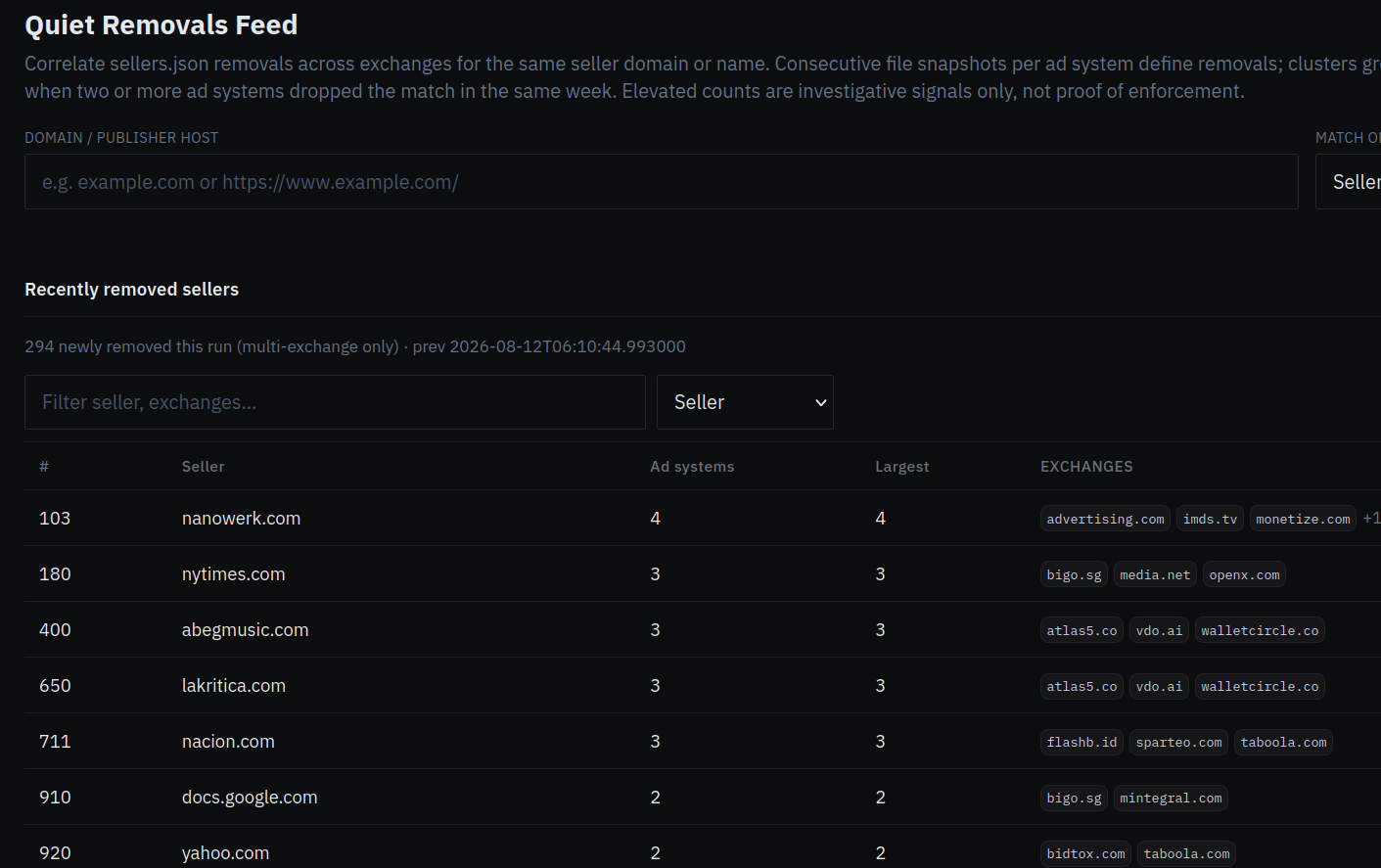 ♪DecryptAds يربط بين البائعين الذين أُزيلوا عن طريق التبادلات الإعلانية بدلا من السماح لهذه التغييرات بأن تختفي بهدوء. DecryptAds عبر KrebsOnSecurity
برايان كريبس) فحص) DecryptAds:: خدمة تحول الإعلانات المجزأة إلى خريطة قابلة للبحث من المتعقبين، والمبيعين، وسماسرة البيانات، والملكية، وعمليات الإزالة، والعلاقات المتعلقة بالمخاطر.
وتنشر مواقع الإنترنت والتطبيقات ملفات مخصصة أو ملحقة بالشركة تحدد الشركات المأذون لها ببيع الإعلانات، بينما تنشر المبادلات البائعين. وتصف سجلات سلسلة التوريد المشاركين، ويكشف كل ملف عن وجوده وحده. DecryptAds ويربطهم باستمرار حتى يتمكن المحققون من اتباع مُحددات الهوية والملكية في العديد من الممتلكات.
وأفادت شركة Krebs بأن البحث عن شركة ESPN حدد 143 شريكاً في الإعلان و19 مجالاً مسجلاً من مجالات سمسر البيانات. DecryptAds وأشار إلى أن نصف هؤلاء السماسرة تقريباً كشفوا عن جمع المواقع الجغرافية للزوار الذين لا يحجبون الإعلانات، في حين كشف آخرون عن طباعة الأجهزة أو جمع معلومات حساسة، كما ربطوا بائعين معلنين في عدة مواقع للأنباء العسكرية للولايات المتحدة ذات ولايات قضائية شديدة الخطورة، ولا يعتبر البائع المأذون به دليلاً على سلوك مضلل، ولكن الخريطة تبين مدى جواز سفر بيانات القراء عبر علاقات غير مرئية في الصفحة.
الإعلان الحديث ليس مجرد صورة تم شراؤها بجانب مقال، بل هو مزاد سريع يشمل أجهزة تحديد الهوية، وأجهزة إعادة البيع، والرمز المجمّع كعبوات الصفحات، ويمكن للقارئ أن يشكل علاقة بيانات مع شركات لا تظهر أسماؤها على الشاشة، ويخلق نفس الآلية مجالاً للتضليل الذي يعيد توجيه المستخدمين نحو التخدير، والتحديثات المزيفة، والغش في الدعم التقني، أو سوء التصرف.
DecryptAds كما يسجل " عمليات إزالة البعوض " الحالات التي يتوقف فيها التبادل عن الاعتراف ببائع دون نشر تقرير عن الحوادث، ولا يثبت أن عملية إزالة واحدة إلا ضئيلة، وقد تبين من عمليات إزالة عديدة مجمَّعة حول الكيان نفسه أن الثقة تختفي قبل أن يشرح أي شخص السبب، وفي سلسلة الإمداد التي تُبنى من الإعلانات الموزعة على آلاف الملفات، يصبح الترابط شكلا من أشكال المساءلة.
وبالنسبة للمدافعين عن المؤسسات، تعمل سياسة المصفوفين الآن كضبط نهائي، وتشتمل أدلةها على قوائم التمديد، وعمليات التفريغ الخبيثة، والضوابط التي لوحظت حديثا، وسياسة العزل، وإعادة توجيه، وسجلات الاختبار، وسجلات نهاية النقط.
كيف نقرأ ادعاءً أمنياً هذا الأسبوع
| الأدلة | ماذا تعني؟ | ألف - الآثار المترتبة على القرار |
|---|---|---|
| الاستغلال المؤكد | ويفيد البائع أو السلطة الموثوقة بأنه يستخدم في هجمات حقيقية. | التخفيف والتقييم العاجلان للنشاط السابق. |
| التعرض العام | فالمعرفة التقنية عامة، ولكن الاستغلال قد لا يكون مؤكدا. | سرعة التحقق والرصد، مرجحة بالتعرّض. |
| باحث دليل على المفهوم | وقد برهنت على وجود تقنية في ظل ظروف مبيّنة. | :: إجراء عمليات استنساخ مراقَبة، وتحليلات مسبقة، وتطوير الكشف. |
| مطالبة غير مصدق عليها | هناك تفاصيل مهمة أو تأكيد مستقل مفقود | مواصلة جمع الأدلة دون أن يكون لها أثر على النحو الذي يثبته. |
ولا يقلل هذا التمييز من المخاطر، بل يحمي نوعية القرار، ويفقد الفريق المصداقية عندما تصبح كل مطالبة أزمة ويفقد الوقت عندما يعامل الاستغلال المؤكد كبند آخر في غلاف الشائعات.
ثلاثة مخاطر وثلاثة جداول زمنية مختلفة
ولا يمكن معالجة القصص الواردة في هذه الصفحة على أنها مجرد غير متفاوت، إذ أن التعرض للاختلال يمتد على مدار الساعة ويطالب بالنشر السريع والصيد، ويسير الاستعداد في راندوموار على أبطأ وقت من مراحل تصميم الهوية، والتجزؤ، والانتعاش، كما أن التعرض للاختراق - العرض هو مسألة مستمرة تتعلق بسياسة المروجين، وعلاقات البائعين، وتدفق المعلومات.
مصادر مكتب الأمن الرئيسي
04العمليات الأمنية · متابعة
غير مؤكد: قد يتجاوز ShieldBreak إصلاحاً سابقاً في Microsoft Defender
 ♪ShieldBreak وهو ادعاء عام لإثبات المفهوم - وليس تقريراً مؤكداً عن الاستغلال - صورة: مكوكاً -.*
نشر باحث يستخدم الاسم المستعار «Nightmare Eclipse» شيفرة لإثبات مفهوم ShieldBreak، مدعياً أنها تستطيع تجاوز إصلاح Microsoft السابق لمشكلة تصعيد الصلاحيات في Defender المعروفة باسم RoguePlanet، والحصول على صلاحيات SYSTEM انطلاقاً من حساب مستخدم عادي.
وقد كان التوقيت ملحوظاً في المطالبة: فقد ظهر القانون فور الإفراج عن صاحب البلاغ في آب/أغسطس، غير أن الأدلة لا تُعتبر نفس الشيء الذي استغل فيه. Windows عيب مشمول في صفحة العمليات
لم يؤكد أي مصدر موثوق ذُكر في هذه الطبعة أن ShieldBreak يتم استخدامه في هجمات حقيقية. Microsoft لم يصادق علناً على التجاوز في التقارير التي تم استعراضها لهذه الطبعة، قال (توم هارد واير) أن اختباره المبكر وجد أن المدافع اكتشف الرمز وأثار إمكانية أن التحديث الحالي قد أوقف بالفعل التقنية، ولا يزال دليل علني على المفهوم يساعد المهاجمين على دراسة نقطة ضعف، ولكن النشر لا يثبت الموثوقية أو الجدية أو الاستغلال الناجح للنظم المستكملة بالكامل.
| المطالبة | الحالة في النشر |
|---|---|
| تم إطلاق قانون إثبات الإدانة علناً | مؤكد |
| وتدعي المدونة أن تصل إلى امتيازات النظام الأساسي للاستقلال التام من أجل التنمية المستدامة | باحثة |
| إنها تتخطى Microsoftإصلاح كامل | غير مؤكد Microsoft- |
| وهو يعمل على أساس نظم مستكملة تماما في آب/أغسطس | غير معزولة؛ والاختبار المبكر للأطراف الثالثة غير حاسم أو معزول. |
| المهاجمون يستغلونه في البرية | لم يُذكر أي دليل مؤكد. |
يظل خط الأساس التشغيلي الحالي هو آخر Windows تحديثات المدافعين عن حقوق الإنسان، مواصلة الاهتمام Microsoft التوجيه وحفظ الكشف عن النقاط النهائية - يخضع التحقق المراقب لبيئة معزولة؛ ولا تؤيد الأدلة المنشورة إعلان وقوع حادث إنتاج فقط من إطلاق دليل على وجود مانع.
ولذلك فإن العنوان الدقيق ليس " جديدا " . Windows " إن المطالبة بالجبر غير المؤكد للمدافعين عن حقوق الاقتحام هي ادعاء عام وينتظر التصديق المستقل عليه**. Microsoft أو أن الرابطة ستغير من أولوياتها تغييرا جوهريا.
خارج نافذة التغطية لكنه عاجل: لوّث ChainDrop سلسلة توريد npm
 ♪ChainDrop انتشارها من خلال علاقات النشر الموثوقة في npm النظام الإيكولوجي: الصورة: BleepingComputer.*
ChainDrop تم الإبلاغ عن أول مرة في 4 آب/أغسطس قبل نافذة التغطية الرسمية لهذه الطبعة لكن تحقيقه في النطاق و أسفل النهر يبرر المضي قدماً
وأفاد الباحثون بأن البرمجيات التي تُنتج عن نفسها قد تعرضت للخطر ما لا يقل عن 868 npm مجموعة من الحزم على 381 1 نسخة مع مجموعات متأثرة مرتبطة بشكل جماعي بحوالي بليوني عملية تنزيل شهرية، بدأت الحادثة بالتنازل عن حساب (جيت هوب) للمحافظ و إنتشرت إلى أسر ومنظمات من خلال مطور موثوق به و نشر سير العمل.
وقد استهدفت الديدان النظم التي تبنى وتصدر البرمجيات، ووصفت التقارير السرقة المولدة والسرقة المكسورة، ونشر الطرود الخبيثة، والنشر باستخدام الوصول من بيئات التنمية، وهذا أكثر خطورة من مجموعة واحدة من التدابير الخبيثة لأن الحل الوسط يمكن أن يرث سمعة المحافظين الشرعيين، وذوي الإعاقات، والتشغيل الآلي للمحافظين الشرعيين.
ويمتد تحليل التعرض إلى ما إذا كان اسم الطرد يظهر في قائمة مبكرة، أما المسائل المادية فهي التي أدخلت نسخاً دقيقة على القفل، والمخابئ، والصور المُعدة، ومخازن القطع الأثرية، ومصانع الأشغال، ومجمعات الإنتاج، وما هي السجلات، وغيت هوب، وسير العمل، والقابلة للتأثر بالبيئة، والأدلة على الشبكة الخارجية.
تنفيذ صيغة مُعرضة للخطر في بيئة تحتوي على npm (الزهور، (جيت هوب، أوراق اعتماد السحاب، مفاتيح السحب، وتوقيع المواد أو أسرار النشر تثير سؤالاً مستقلاً عن الاختراع، إعادة التشغيل النظيفة قد تزيل الطرد بينما تترك المهاجم نشراً أو وصولاً إلى النشر
وتشمل الضوابط الأطول أجلا النشر الموثوق به على مدى فترات قصيرة من خلال هوية عبء العمل، وفصل التركيب والنشر، وقيد محاضر دورة الحياة، والبناء المعزول، والموافقة على المعالين الجدد، والمرايا الداخلية، والتحقق من المثبتات، والتنبيهات المتعلقة بالإطلاقات غير المتوقعة من صيانين موثوق بهم.
تقارير سابقة لا تزال على قائمة المراقبة التشغيلية
| المرحلة الأولى | السبب الحالي في مواصلة المراقبة | حيث تنتمي الآن |
|---|---|---|
| N-central الاستغلال النشط | وكشفت متابعة البائعين في 10 آب/أغسطس عن مسار هجومي ذي صلة ونقطة ساخنة ثانية. | مُستكمل بالكامل على الصفحة الأولى من هذه الطبعة |
| فريق المدينة على شكل صوم CVE-2026-63077 | وأكدت الرابطة الاستغلال؛ ولا تزال الخواديم المكشوفة تتطلب التصحيح والتقييم التوفيقي. | مراقبة العلاج |
| الهجمات على مركبات PLCs من طراز المياه | وما زالت التكنولوجيا التشغيلية المعرّضة مباشرة يمكن أن تحول التغييرات في الابتكار أو التشكيل إلى اضطراب مادي. | مراقبة البنية التحتية الحرجة |
| استغلال لانغيو | مقتطفات من الإنترنت الذكاء الاصطناعي ويمكن أن توفر أدوات سير العمل طريقة تنفيذ الشفرة بالقرب من وثائق التفويض وقواعد البيانات والتشغيل الآلي. | الذكاء الاصطناعي مراقبة البنية التحتية |
| الإبلاغ عن التجاوزات في التحقق من صحة الجائزة | ولا تزال أجهزة الدخول إلى القاعدة والانتقال عن بعد نقاط دخول عالية القيمة حتى بعد أن تصبح رقعة متاحة. | ساعة البنية التحتية |
| Black Hat and DEF CON disclosures | وينبغي إعادة النظر في بحوث المؤتمرات عندما يقوم البائعون بنشر المشورة أو الشقوق أو الاستغلال المؤكد. | اتبع آب/أغسطس 9 طبعة صحفية- |
مصادر هذه الصفحة
- (توم) ShieldBreak باء - المطالبة بالإثبات والاختبار المبكر
- TechRadar Pro - ShieldBreak الإبلاغ وعلاقته بالعيوب السابقة للمدافعين
- ITPro - Swiss federal SharePoint الحسابات المضرورة
- رابطة الدول المستقلة SharePoint الإجهاد بعد الاستغلال النشط
- BleepingComputer - ChainDrop npm هجوم على سلسلة الإمداد
- هتبوتات - مركز جماعي CVE-2026-63077
- رابطة الدول المستقلة - حث مشغلي المياه والمياه المستعملة على حماية مركبات PLCs التي تعرضها الإنترنت
- رابطة الدول المستقلة - محاليل أهلية مستغلة
05تحليل: وكلاء الذكاء الاصطناعي والحرب السيبرانية
كيف غيّر وكلاء الذكاء الاصطناعي حملة تايوان
تبين حملة تايوان كيف يمكن لمشغل أن يفوض أجزاء من تدخل دون أن يستسلم الهدف أو الغرض السياسي وراءها.
التغيير الأهم كان القدرة على التكيف، لا السرعة المجردة
هذا ليس حادثاً منفصلاً، إنه الدرس الأساسي من هجوم تايوان الوارد وصفه أعلاه، وقد فحص الماسح الآلي أعداداً كبيرة من النظم منذ عقود، والأمر الذي كان مختلفاً في حساب (دريم) هو أن إطار العمل يربط بين الملاحظات عبر النظم، وطرق ترتيبية، وبحث نُهج جديدة، وتغيّر أساليبه بعد الفشل، وبدلاً من تنفيذ سلسلة ثابتة، أفيد أن النظام حافظ على هدف واختيار الإجراء المفيد التالي.
وهذا يمكن أن يضغط على عدة أدوار تنقسم عادة بين الاستطلاع، والبحث عن القابلية للتأثر، والهجوم على الهوية، والكتابة، والتنسيق العملياتي، كما يمكن أن يتيح لفريق بشري أصغر أن يسعى إلى تحقيق أهداف أكثر في آن واحد، ولا يحتاج المهاجم إلى قرصنة مستقلة تماما؛ ونظام يزيل العمل المكرر ويبقي على عدة مسارات هجومية تتحرك في آن واحد، هو نظام قيّم عمليا بالفعل.
ولم تكن نقاط الضعف المبلغ عنها غريبة، ووصفت التغطية كلمات السر المستمدة من مُحدِّدات هوية الموظفين، وأجهزة التحقق من صحة الموظفين، وخدمات التنمية المعرَّضة، والتطبيقات المرتبطة بها التي تثق في نفس الهويات. الذكاء الاصطناعي ولم تُلغي الحاجة إلى الضعف، بل جعلت من السهل إيجاد نقاط ضعف عادية، والجمع، وإعادة التجفيف، والحجم.
من الأتمتة إلى تفويض الحكم
تمّت تركيب الوجبات السيبرية لسنوات، وارتفاع الديدان دون انتظار التعليمات، وفحص الناموسيات، وفحص كلمات السر المسروقة، وتوزيع حركة المرور الخبيثة، وفحص أجهزة المسح الحساسية للآلاف من النظم أسرع من محلل البشر، وهذه الأدوات قوية، لكنها تنفّذ عموما مساراً مختاراً مسبقاً.
ويغير أحد الوكيل الترتيب بإصدار أحكام محدودة داخل العملية، ويمكنه تفسير الخطأ، ومقارنة الطرق الممكنة، ووثائق البحث، وكتابة أمر جديد، والبت في النتيجة التي تستحق المتابعة، ولا يزال الإنسان ينشئ البنية الأساسية الموضوعية والإمدادات، ولكن لم يعد عليه أن يحدد كل خطوة وسيطة.
وبالنسبة لفريق هجومي، قد يغير الاقتصاد قبل أن يغير القدرة، إذ يمكن الإشراف على المهام التي تنقسم بين المشغلين المبتدئين من قبل عدد أقل من الناس، ويمكن استكشاف عدة أهداف بالتوازي مع ذلك، فالطرق الفاشلة تستهلك وقتاً آلياً بدلاً من الوقت الذي يحلل فيه، ويمكن أن تصبح الحملة أوسع وأكثر استمراراً دون أن تتطلب من المنظمة أكبر حجماً نسبياً.
مشكلة أخذ العينات لدى المدافعين تزداد صعوبة
وتقيم العديد من نظم الكشف الأحداث بصورة فردية أو في إطار نوافذ قصيرة، وتستغل العمليات العملية الفجوة بين تلك الآراء، وقد تبدو محاولة قطع الأشجار روتينية، وقد تظل الاستفسارات عن مؤشر الأداء الموحد أقل من عتبة، وقد تتلقى نقطة نهاية التنمية حركة المرور التي تشبه الاختبارات العادية، ولا تصبح الحملة واضحة إلا عندما تكون تلك الأحداث مرتبطة عبر الزمن، والهوية، وحدود الخدمات.
فالتوازي يجعل المشكلة أكثر حدة، إذ لا ينتج ثمانية من العناصر الفرعية سوى ثمانية أضعاف عدد الطلبات، بل يمكن أن يستكشفوا فرضيات مختلفة، وأن يقطعوا مسارات غير منتجة، وأن يسمحوا بعملية تنسيق لتوجيه الجهود نحو أي نجاح، وقد يرى المدافع الذي يأخذ عينة نهائية أو وكالة واحدة أن نشاطا فاشلا، ويخلص إلى أن السيطرة قد نجحت بينما يحرز فرع آخر من العملية نفسها تقدما في أماكن أخرى.
وهذا يحوّل الموارد الشحيحة من التنبيه إلى الترابط، وقد تكون الأدلة الحاسمة هي العلاقة بين محاولة كلمة السر، ومحاولة رمزية مقبولة من تطبيق ثان، واستفسار لاحق عن بيانات الموظفين، ويمكن لكل نظام أن يسجل شظاياه بدقة، في حين لا توجد مؤسسة في البداية تمتلك التسلسل الكامل.
ما يظل بشرياً بوضوح
ولا يلغي وجود العملاء القرارات التي لا يزال الناس يتخذونها، بل إن شخصاً ما من النظم الحكومية المختارة في تايوان، وهو يقوم بإعداد أو اكتساب البنية التحتية، ويضع الإطار اللازم للعمل بحيث لا تتوقف الضمانات النموذجية عن ذلك، ويقرر ما هي المعلومات القيمة، ولا تزال النية الاستراتيجية واختيار الأهداف ونتائج العملية مسؤوليات بشرية حتى عندما تؤدي البرامجيات قدراً كبيراً من العمل المتوسط.
وهذا هو السبب أيضا في عدم إمكانية تخفيض الإسناد إلى اللغة التي عثر عليها في دليل عمل، إذ أن الصينيين المبسّطين دليل تحقيقي ذي مغزى، لا سيما عندما يقترن مع هدف حكومي تايواني، ولكن يمكن نسخ أو زرع الأدوات واللغة، فالإسناد العام يتطلب عادة مجموعة أوسع من الأدلة، هي: تاريخ البنية التحتية، وخط البرمجيات غير الماهرة، وعلم الضحايا، وساعات العمل، وحيازات الاستخبارات، ووصلات إلى الحملات السابقة.
ولذلك فإن أكثر قراءة دفاعية ليست " الصين ثبتت مسؤوليتها " ولا " الصلة الصينية لا معنى لها " .
الاستقلالية ادعاء يحتاج إلى أدلة، وليست ملصقاً تسويقياً
وتقتضي المطالبات المتعلقة ب " هجوم شامل " أكثر من الأدلة التي تثبت أن الذكاء الاصطناعي وقد كان هناك أداة قائمة، ومن الأفضل أن يميز المحققون الإجراءات التي يقترحها نموذج ما، والإجراءات التي تختارها طبقة أوشيات، والإجراءات التي يوافق عليها الإنسان، والإجراءات التي تنفذ تلقائيا، وأن تكون القيود التي تظهر العجلات، ودعوات الأدوات، والمراكز، وعمليات الانتقال التي تقوم بها الدولة، والتدخلات البشرية، هي التي تجعل هذا التمييز ممكنا، وبدونها، يمكن أن يصبح الاستقلالية مستمدة من السرعة أو التعقيد بدلا من الملكية الملاحظة للنظام.
إن الحملة التي يقوم بها عدة أشخاص على خطوة خطوة خطوة خطوة إلى الأمام تقدم نموذج عمل مختلف من واحد يقوم فيه شخص ما بتحديد موضوعي واستعراض الاستثناءات من حين لآخر، كلاهما يمكن أن يكونا خطيرين، ولكن الثاني فقط يدل على أن الحكم المتوسط قد صدر على نطاق واسع، ووصف الحلم يشير إلى ذلك النموذج الثاني؛ والسجل العام لا يزال غير كاف لتحديد كميّة المشغلين البشريين.
قياسات الهوية والشبكة تنتمي إلى التحقيق نفسه
وأفيد أن الحملة انتقلت من خلال الحسابات والخدمات المرتبطة بها، ليس فقط من خلال استغلال درامي واحد، مما يجعل وحدة الكشف المفيدة متتالية.
| التسلسل الملاحظ | التفسير الدفاعي |
|---|---|
| تعداد واسع يليه محاولات التوثيق المركزة | وقد تحولت إعادة التوازن إلى مراعاة الاستهداف. |
| هوية واحدة تظهر عبر الخدمات التي لم تستخدمها من قبل | قد يكون المهاجم يختبر العلاقات الثقة ويرث الوصول |
| الفشل المتكرر يتبعه أسلوب مختلف ماديا | قد يكون مشغل أو عامل تكييفي يبحث عن بدائل. |
| عقد دورات جديدة، واستخدام رمزي، وإجراء الاستفسارات عن البيانات في تعاقب سريع | الوصول الناجح قد يكون على الفور تغذية الخطوة الآلية التالية. |
| قفزة النشاط بين التنمية والهوية والحكومة ونظم الموردين | ويمتد الهدف إلى حدود المنظمة، وليس إلى تطبيق واحد. |
وقد ترتبت على أقوى برامج الكشف أحداث تتعلق بالهوية والتطبيق والتطبيق والنقطة النهائية والشبكة حول نفس الحساب والحملة، وقد يبدو الطلب واحدا عاديا في حين لا يكون مكانه في تسلسل، وبالتالي فإن الحدود والضوابط السلوكية تكون أكثر استنارة عند تطبيقها في الحسابات، والرسوم، والهياكل الأساسية المصدرية، وتدفقات العمل ذات الصلة.
وتواجه المؤسسات العامة صعوبة إضافية: فالثقة التي تثق بها كثيرا ما تعبر الحدود التنظيمية، ويمكن للوزارة أن تتقاسم خدمات الهوية مع وكالة، أو تعتمد على مورد حكومي أو تعرض طلبا يحتفظ به في إطار ميزانية مختلفة وسياسات أمنية، ولا يحتاج نظام التكيف إلى هزيمة كل مؤسسة على حدة، بل يمكن أن يبحث عن أضعف صلة واستعمال الثقة الموروثة من أجل التطرق إلى النظم.
وهذا يجعل من تجزؤ الرؤية نقطة ضعف استراتيجية، وإذا رأت كل وكالة فقط تنبيهاتها، لا يجوز لأي مدافع أن يحترم التسلسل الذي يكشف عن حملة منسقة، فعملية جمع المعلومات عن بعد، والاحتفاظ المستمر بالهوية، وسلطة قادرة على الربط بين الأنشطة عبر الوكالات، تصبح مهمة مثل نوعية أي منتج أمني فردي.
خمسة ضوابط تزداد أهميتها في نموذج تهديد قائم على الوكلاء
- ** لا توجد وثائق تفويض محددة.** تحول كلمات السر القائمة على أرقام الموظفين، أو أشكال يمكن التنبؤ بها، أو اتفاقيات تشغيلية مشتركة، إلى الاستطلاع إلى التصديق.
- ** التصديق المكسور على كل حدود**. ويتوقف القبول على التوقيع والمصدر والجمهور والنطاق والانتهاء والإجراء المقصود - ليس فقط على الثقة في الخدمة ذات الصلة التي أصدرت المكسورين.
- ** شُرعة التنمية والإنتاج**. يمكن أن تكشف نقاط نهاية الاختبارات والتطبيقات العينية المتاحة عن الهندسة المعمارية أو وثائق التفويض أو العلاقات الاستئمانية التي يمكن إعادة استخدامها.
- كشف التعاقب عبر الخدمات** طلب العميل قد يشبه المسح العادي، الحركة المنسقة عبر الهويات والتطبيقات أكثر تميزاً
- ** احتواء سرعة المسافات**، تولد عمليات الكشف عن الثقة العالية قيمة أكبر عندما تلغى الدورة، وتعطل الخناق، وعزلة الحسابات، والتوقيف الآلي لا تتوقف على سلسلة تصعيد يدوية طويلة.
إن العتبة التاريخية ليست اللحظة السينمائية التي تعمل فيها الآلة دون أن يلمس أحد الزر، بل هي النقطة الأكثر هدوءاً التي يحافظ فيها الوكلاء على ما يكفي من العملية لزيادة متناولها واستمرارها وقابليتها للتكيف إلى ما يتجاوز ما يمكن لمديريها من البشر وحده، وتشير الأدلة التي تم الكشف عنها هذا الأسبوع إلى أن هذه النقطة لم تعد نظرية.
مصادر هذه الصفحة
- الأمن الأحلام - الحكومات غير مستعدة للحكم الذاتي الذكاء الاصطناعي الهجمات
- (توم) يعمل في برنامج (هاردواير)... الذكاء الاصطناعي العوامل ضد نظم الحكومة التايوانية
- TechRadar Pro - what Dream reported and what remains unconfirmed
- إدارة تايوان للأمن السيبرى - التوجيه بشأن القانون المفتوح العضوية الذكاء الاصطناعي- مخاطرة بسيطة
06التكنولوجيا
Pixel 11 اختبار لمن يتحكم في الذكاء الاصطناعي الشخصي
Google مقدمة Pixel 11 Pixel 11 Pro and Pro XL, and Pixel 11 Pro Fold along the Pixel شاهدْ 5 Pixel أهم إعلان لم يكن مواصفات الكاميرا Google' محاولة لجعل الهاتف المكان حيث السيليكون العرف، الأمن المحلي، نماذج السحاب، السياق الشخصي، و الوصول إلى التطبيقات تعمل كنظام واحد.
Google "تينغسور جي 6" الجديد يقدم أكثر من 50 بالمئة بينما الشريحة الأمنية لـ "تيتان م3" تدعم نموذج حماية وخصوصية الجهاز Gemini الاستخبارات أكثر تعمقاً Google الطلبات
 Pixel 11 جيلا بعد Google"الإنطلاق" "الإندرويد سيترال" "تفاصيل المنتج تم التحقق منها" Google مخزن
وقد أكد عرض الإطلاق على الملاءمة، وبدأت الأسئلة الأكثر تبعية بعد العرض:
- أيّ سمات تُدار محلياً، والتي تُرسلُ العجلاتَ، الصور، الصوت، أو سياق التطبيق إلى السحابةِ؟
- ما هي القدرات المتاحة في مجال الشراء، والتي تعتمد على تحديث أو اشتراك مدفوع في المستقبل؟
- هل يمكن للمؤسسات أن تبطل أو تقيد أو أن تُراجع الذكاء الاصطناعي سلوك؟
- هل يتضمن وعد الدعم الذي يبلغ سبع سنوات إمكانية إصلاح العملية واستبدال البطاريات؟
- ماذا يحدث عندما يكون النموذج خاطئاً بينما يتصرف عبر الرسائل، التقويم، الوثائق، الحسابات؟
الهاتف الذكي أصبح سمسار إذن الذكاء الاصطناعيإنه يحمل هوية المستخدم، موقعه، الكاميرا، الميكروفون، الاتصالات، الرسائل، طرق الدفع، التوثيق، مساعد قادر على العمل عبر تلك الموارد أكثر فائدة من جهاز الثرثرة، وهو أيضا أقرب إلى مشغل يعيش داخل أكثر الحواسيب حميمية معظم الناس
تتوزع البنية بين الشرائح ونظام التشغيل والسحابة
ويصف الـ (تينسور غ6) و(تيتان م3) أجزاء مختلفة من ذلك الهيكل، ويورد تينسور) مدخلاً محلياً وتجهيزاً لوسائط الإعلام؛ ويوفر تيتان حداً معززاً بالمعدات للمفاتيح، وأحذية متحققة، وجهازاً حساساً آخر، ولا يشرح أي من المكونين في حد ذاته أين يُستخدم فيه جهاز من الأجهزة. Gemini ويتم تجهيز الطلب أو أي بيانات تطبيقية ترافقه، ويمكن أن تختلف هذه الإجابة حسب السمات، والمنطقة، وشكل الدولة والحساب الشبكي.
وبالنسبة لأساطيل الشركات، فإن هذا يجعل قائمة جرد المعالم أكثر أهمية من الاسم النموذجي، إذ أن سمة التلخيص التي تعمل على أساس التلفاز تنطوي على مسار بيانات مختلف عن طريق مساعد يرسل سياقا إلى نموذج مستضيف، ثم يستدعي تطبيقا آخر، وقد يظهر كلاهما تحت نفس العلامة التجارية للمنتجات، وبالتالي يتعين على سياسة التوسيع المتحرك التمييز بين موقع الاختبار ومصدر البيانات والعمل المسموح به بدلا من معالجة " .Gemini مكنت " كحالة ثنائية واحدة.
Googleوعد الدعم لمدة سبع سنوات يفصل أيضاً شراء المعدات من استمرارية الخدمة الهاتف قد يستمر في تلقي تحديثات النظام التشغيلي والأمني الذكاء الاصطناعي :: تغيير السمات أو التخلف عن الاشتراك أو الاعتماد على الخدمات السحابية بشروط خاصة بها، فالدعم الطويل الأجل من النقاط النهائية قابل للقياس؛ واستمرارية سلوك نموذجي معين هو التزام مختلف.
ميزات الذكاء الاصطناعي لها دورة حياة مختلفة عن الجهاز
ويفترض التخطيط التقليدي للأسطول أن نسخة من نظام التشغيل ونموذج معدات يصف معظم الدولة ذات الصلة. الذكاء الاصطناعي (ب) إدخال سمات تُحدث مستويات مُعالَم أسرع: النسخ النموذجية المستضافة، والتوافر الإقليمي، وأهلية الحساب، وحالة الاشتراك، وسياسة جانب الخادم، وقد يؤدي هواتفان متطابقتان على نفس بناء النظم التشغيلية إلى كشف مختلف القدرات أو إلى نتائج مختلفة.
هذا الاختبار المعقد، قد يكون التراجع من حيث التطبيق، والنموذج المحلي، ونموذج السحب، أو النموذج السريع أو الخدمة التي تربطها بها، ويحتاج الإصدار إلى تحديد أكثر من البناء اليدوي والفولط إذا كان يمكن للمواصفات أن تعمل على بيانات الأعمال التجارية، والوعد الذي يُعد به الجهاز الذي يبلغ سبع سنوات، ولكنه لا يجمّد مجموعة الخدمات المحيطة هذه لمدة سبع سنوات.
قرار Pixel 11 يتجاوز مواصفات الهاتف
| سؤال | قلق المستهلك | الشاغل في المؤسسة |
|---|---|---|
| أين يُدار الإفتراض؟ | الخصوصية والسرعة وما إذا كانت السمات تعمل خارج الشبكة | إقامة البيانات، والخدمات المعتمدة، وإمكانية مراجعة الحسابات، ومراقبة الشبكات. |
| ما هو السياق الذي يمكن أن يُمكن أن يُمكن أن يُتخذ فيه أي سياق Gemini أستخدم؟ | الرسائل والصور والموقع وتاريخ التطبيق | فصل العمل عن العمل والكشف عن المعلومات العرضية عبر التطبيقات. |
| كم من الوقت تم دعم الجهاز؟ | حياة مفيدة وقيمة إعادة البيع | دورة حياة الأسطول، خطوط الأساس الأمنية، والتخطيط البديل. |
| هل يمكن التحكم في الملامح؟ | الموافقة المُعنية والأوضاع المفهومة. | سياسة إدارة المحركات والإنفاذ المتسق. |
| ماذا يحدث بعد خطأ؟ | القدرة على استعراض أو عكس مسار أي إجراء. | البقايا، المساءلة، رد الحوادث، وتأثير الأعمال التجارية. |
سبع سنوات من التحديثات تعد ذات معنى فقط بالنسبة للبيئة التي تستقبلها، يمكن أن يظل الجهاز مدعوماً تقنياً بينما يسقط خارج خط الأساس للشركات لأن طريقة التطبيق أو الالتحاق أو البطارية أو التسجيل لم تعد تعمل، وبالتالي فإن تحليل المشتريات يربط نافذة دعم البائع بإصلاح مدى توافر الأجهزة وتوافقها مع دورة الاستبدال الفعلية للمنظمة.
The Titan M3 and local الذكاء الاصطناعي كما أن المعالجة تعود إلى نفس المناقشة المتعلقة بالهيكل، ويمكن أن يحمي الأمن المدعوم بالأدوات المدعمة بالموجات الصلبة المفاتيح، وأن يدعم حالة الأجهزة الموثوقة، في حين أن الاستدلال المحلي يمكن أن يقلل من بعض تدفقات البيانات السحابية، ولا يلغي الحاجة إلى تحديد التطبيقات التي قد توفر سياقا، والتي تتطلب تأكيدا، وما يمكن أن يحتفظ به مديرو القياس عن بعد دون خلق مشكلة جديدة في الخصوصية.
ولذلك فإن مسألة الإدارة العملية ليست ما إذا كان الجهاز يحتوي على الذكاء الاصطناعي(ب) ما إذا كان بإمكان مدير ما أن يحدد الملامح التي تدعمها النماذج الموجودة على أسطول ما، ويميز بين الجهات المحلية وبين التجهيز عن بعد، ويتحكم في الوصول إلى الأسواق، ويعيد بناء ما يترتب على ذلك من إجراءات بعد ذلك، وتقرر تلك القدرات ما إذا كان السياق الشخصي يصبح حدوداً من قواعد الخدمة المنظمة أو امتداداً غير مقصود لحساب المستهلك.
تراهن Meta على الذكاء الاصطناعي في السحابة وعلى الحاسوب أمامك
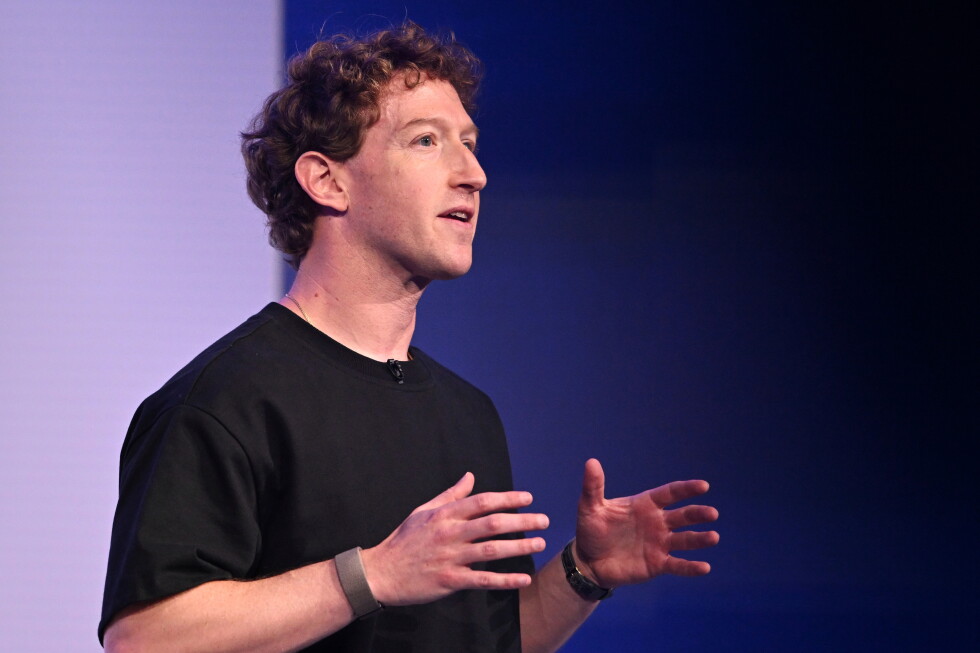 ♪Meta المدير التنفيذي مارك زوكربرغ في Meta Connect. AP Photo/Nic Coury, file; used with the AP report cited below.
Metaأسبوع مركز على إتجاهين نموذجيين (ماوس غليمر) تم عرضه كنموذج مفتوح يُقصد به تشغيل حاسوب شخصي بينما حصل المطورون على وصول (ماوس سبارك 1-2) Meta لا أريد أن أتنافس على أعلى درجات القياس فحسب بل على حيث يمكن للعارضات أن تركض و من يستطيع أن يكيفها
فالنماذج المحلية توفر الخصوصية، وتوفر التكييف على نحو يمكن التنبؤ به، وتدني التكلفة الهامشية لبعض عبء العمل، وتوفر نماذج الحدود المضيفة قدرة أكبر، وترتّب على التحديث، والهياكل الأساسية التي يصعب على معظم المنظمات العمل بها، ويرجح أن يكون الهيكل العملي مختلطا: التذرع المحلي بالعمل الحساس أو المكرر، والنماذج السحابية للمهام المطلِبة، والطرق الواضحة القائمة على المخاطر والتكاليف.
ولا تزال العلامة " مفتوحة " تتطلب تفتيشاً عبر شروط الترخيص، وتوافر الوزن، والإفصاح عن التدريب، والوثائق الأمنية، ونوعية التقييم، وإعادة تجهيز المطالبات، ولا يكون النموذج القابل للنزوح تلقائياً شفافاً، أو آمناً، أو غير مكلف بالعمل.
التوزيع المحلي يغيّر الجهة التي تتحمل مسؤولية الفشل
كما أن نموذجاً يستضيف مراكز الخدمات يُحدّث نماذجها، ويُرصد إساءة استعمالها، ويُنظّم القدرات في مقدّم الخدمات، ويُعطي الزبائن صورة محدودة في التغييرات التي تطرّق إلى جانب مقدمي الخدمات، ويُعَدّل هذا الترتيب إلى جانب كبير من النماذج التي تُنشر محلياً، ويُمارس النظام رقابة على الصيغ، والوصول إلى الشبكات، ومحلية البيانات، مع الاضطلاع في الوقت نفسه بالمسؤولية عن معالجة الحزمة، وتأمين الملفات النموذجية، وقياس التراجعات، وتوفير المعجلات.
فالاقتصادات محددة بعبء العمل، ويمكن أن يزيل الإلحاق المحلي رسوم الطلب الواحد ويسمح بالعملية المقطعة، ولكن الاستخدام يحدد ما إذا كانت المعدات ذات طابع اقتصادي، ويمكن أن يكلف وحدة التوزيع العالمي المستعمل على نحو طفيف أكثر من مجرد سجل تنفيذي؛ وقد يؤدي عبء العمل المستقر والمرتفع إلى نتيجة عكسية، فالقوة والتبريد والدعم الهندسي والتقييم تنتمي إلى المقارنة مع الأسعار المكسورة.
ويدخل النشر الهجين طبقة من الطيف تصبح برمجية مترتبة في حد ذاتها، ويقرر ما هي الطلبات التي تظل محلية، والتي تنتقل إلى نموذج مستضيف، وما هو السياق الذي يعبر ذلك الحد، ويمكن للسيئين في التصنيف أن يكشفوا عن مواد حساسة أو أن يرسلوا مهمة إلى نموذج لا يمكن أن يؤديها بشكل موثوق، وقد تكون نوعية ذلك الموصل، والأدلة المحتفظ بها بشأن قراراته، هي التي قد تكون لها أهميتها بالنسبة للفرق المرجعي بين النماذج التي تتبعه.
Metaلذا فإن وضع المسارين أقل تناقضاً من استراتيجية الحافظة، ويمكن أن يصبح نموذج محلي صغير طبقة غير مقصودة للعمل المتواتر أو الخاص أو الذي يراعي ظروف الطوارئ، في حين أن النظام المستضيف يستوعب مهاماً تتطلب معلومات خارجية أكثر دقة أو حالية، ويكمن التأثير التجاري في التحكم في الخيارات النموذجية والطريق بينهما، وبالنسبة للزبائن، فإن التأثير المعماري يكمن في الاحتفاظ بقدر كاف من القابلية للملاحظة لمعرفة المسار الذي قدم إليه الطلب بالفعل.
07التكنولوجيا · متابعة
دخل Grok 4.6 سباقاً تتغير فيه التصنيفات أسرع من قرارات الشراء
 xAI الهوية - أبلغ أكسيوس عن إجراء مقارنات مع معدلات إطلاق الانبعاثات ومقاييسها في عام 4-6.
xAI وقد أوشكت هذه المقارنات على الاقتراب من نظم قيادية أخرى، ولكن لوحات قيادة أسبوع الإطلاق ليست دليلا على الشراء، ويمكن للكشافة أن تتغير مع الاختبارات، وطريقة تحديد النماذج، وإتاحة إمكانية الوصول إلى الأدوات، وتصويبات لاحقة.
تقييم المشاريع هو أكثر المعلومات معلومات عندما يستخدم مهام المنظمة ويتخذ تدابير موثوقية واقعية، وسلوك الرفض، والتساهل، والتكلفة الإجمالية، وشروط الخصوصية، والتوافر الإقليمي، وسجلات مراجعة الحسابات، واتساق النواتج، والقابلية للتنقل، وتُحدَّد تكلفة التحويل على نحو أقل من السرعة التي تحددها عمليات التكامل والتقييم المحيطة.
إطلاق النموذج هو أيضاً إطلاق خدمة
ولا يستوعب الاسم النموذجي إلا جزءا من ما يتلقاه الطلب، إذ يمكن للنظم المضيفة أن توجه الطلبات بين المتغيرات، أو أن تضيف أدوات للبحث أو إصدار الرموز، أو تغير طبقات السلامة، أو أن تغير حدود الأسعار دون تغيير الوصلة البينية التي يستخدمها العميل، ومن ثم يمكن لمقدمين لهما نتائج قياسية مماثلة أن ينتجا سلوكا تشغيليا مختلفا جدا تحت الحمولة، أو أثناء فترة انقطاع أو عندما يؤدي طلب إلى حد للسياسة العامة.
وتصبح إعادة الإنتاج مهمة بوجه خاص بالنسبة لتدفقات العمل الناتجة عن ذلك، إذ أن نتيجة التقييم لها قيمة أكبر عندما تسجل محدداً نموذجياً بدقة، أو تاريخاً، أو تعليمات نظامية، أو تشكيلة أدوات، أو أخذ عينات، أو النتيجة المتوقعة، وبدون ذلك السجل، لا يمكن أن تبين النتيجة اللاحقة ما إذا كان النموذج قد تحسن، أو تغير الاختبار، أو قام مقدم الخدمات المحيطة.
وتعاني مقارنات التكاليف من نفس المشكلة، فالأسعار المكشوفة تستبعد عمليات الفرز، ودعوات الأدوات، والسياق الطويل، والنواتج الفاشلة، والإصلاح البشري، والأعمال الهندسية اللازمة لإبقاء التكامل مستقرا، والمقياس ذي الصلة هو التكلفة لكل نتيجة مقبولة على نحو يفي بالغرض والموثوقية التي يتطلبها تدفق العمل، ويمكن أن يكون النموذج الأقل تكلفة عندما تتطلب نواتجه استعراضا متكررا؛ ويمكن أن يكون نظاما أكثر قدرة على الاستمرار إذا لم تكن معظم الطلبات في حاجة إلى طاقتها.
قابلية النقل تتجاوز توافق واجهات API
معظم نماذج المُحدّثات يمكن أن تقبل النص ونسخ العودة، لكن تطبيقات الإنتاج تعتمد على أكثر بكثير من السطح المشترك، وكيماويات التل، والسلوك المنظم للمخرجات، والحدود السياقية، والمسحوق، ومناولة الملفات، وردود الأمان، وتدفقات السايمان، وقد يكون الطلب قابلاً للتنقل عملياً، بينما يظل مرتبطاً عملياً بسلوك مقدّم واحد.
والتقييمات جزء من طبقة القابلية للتنقل لأنها تبين ما إذا كان الاستبدال يحفظ النتائج التي تُعتبر هذه المسألة، ونموذج التراجع الذي يستجيب بنجاح ولكنه يغير ميادين الاستخراج، ويرفض فئة صالحة من العمل أو يسمي أدوات مختلفة، لا يكافئها، وتظهر تكاليف الهجرة في اختبارات متغيرة، وسرعات، ورصد، واستعراض بشري - لا في إعادة كتابة عميل تابع للتحالف.
(ب) إن قابلية نقل البيانات لها حدود منفصلة - قد تكون لكل من حالة التداول، والتجسيد، والملفات التي تستضيفها الجهات المقدمة، والبيانات الحسنة، وسجلات مراجعة الحسابات، آليات مختلفة للتصدير والاحتفاظ، ويحدد تحليل موثوق به للخروج من تلك الأصول التي يمكن أن تتحرك، والتي يجب إعادة صياغتها، والتي تظل خاضعة لشروط الحذف أو الاحتفاظ بعد تقديم التغييرات في الطلب.
يتيح Windows إزالة الذكاء الاصطناعي المحلي
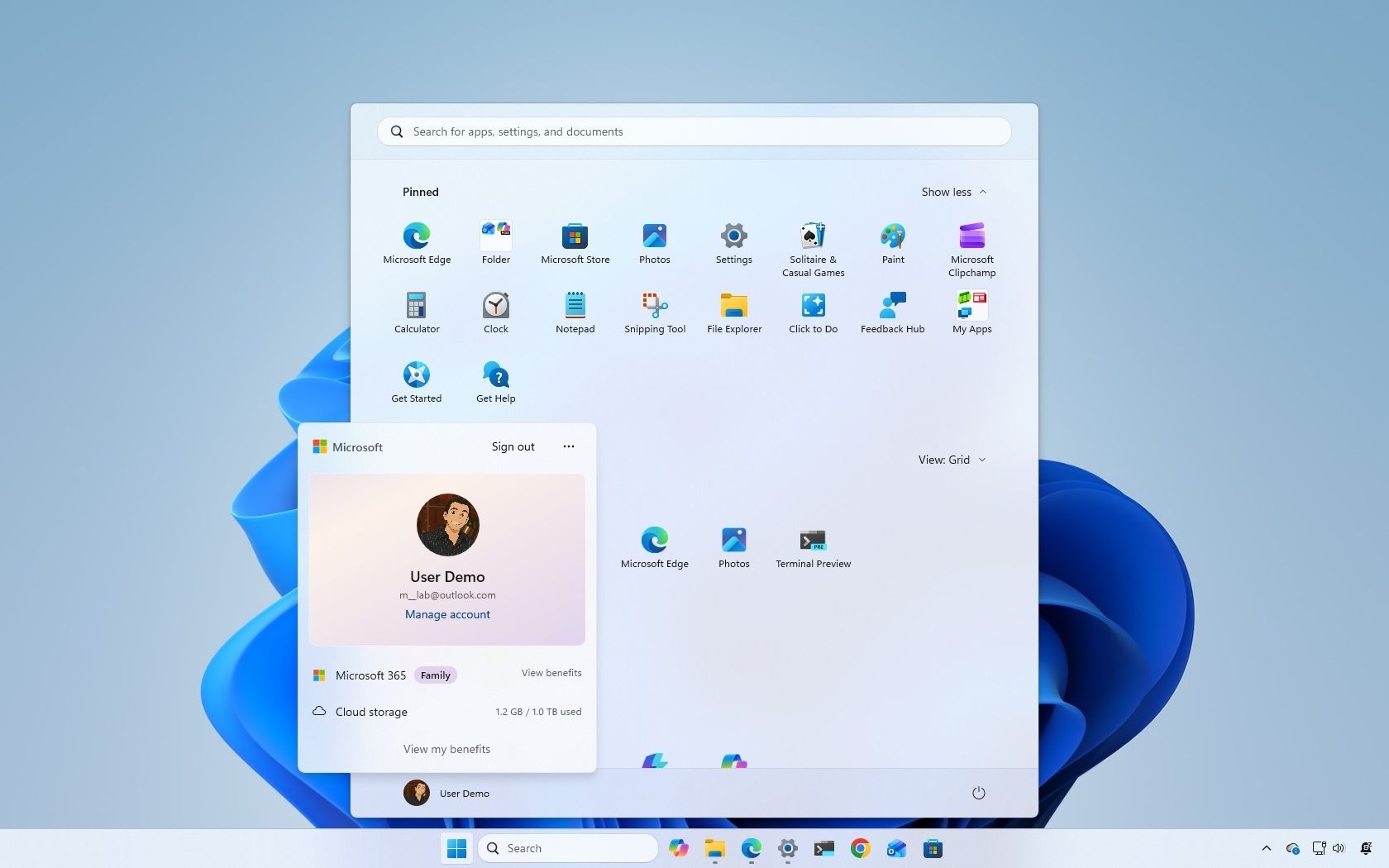 ♪Windows 11 أغسطس يتضمن مراقبة إضافية على المحليات الذكاء الاصطناعي نماذج عن الطيارين المدعمين من مركبات الكربون الكلورية فلورية Windows وسطى
Microsoft"آب/أغسطس" Windows شمل العمل القدرة على دعم الوحدويات المتعددة الكلور لإزالة المركبات المحلية الذكاء الاصطناعي النماذج - إن التغيير في السياقات متواضع، ولكنه ينشئ ممتلكات إدارية مفيدة: الذكاء الاصطناعي ويمكن جعل القدرة واضحة ومتحكمة وقابلة للانتقال عندما لا تحتاج إليها منظمة.
" بالنسبة لإدارة نقطة النهاية، "الذكاء الاصطناعي في كل مكان " أقل فائدة من قائمة نماذج التخزين، التصاريح، سلوك الشبكة، تحديث القنوات والسياسات المنطبقة، التجهيز المحلي يمكن أن يحسن الخصوصية والراحة؛ ولا يزال يستهلك الأقراص، والسلطة، والذاكرة، وجزء من قاعدة الحسابات التي يثق بها في نقطة النهاية.
كما توضح إمكانية إعادة الشحن ملكية دورة الحياة، والنموذج المحلي هو عنصر برمجيات مركب يُستخدم في شكل نسخ، وبصمة تخزين، ومسار آخر، وعندما لا تكون هناك حاجة إليها، فإن إزالة الألغام تقلل من استخدام سطح الماء والموارد؛ وعندما يكون مطلوبا، يحتاج المديرون إلى أدلة على أن النسخة المتوقعة لا تزال موجودة وأن التطبيقات لا تنقل بشكل صامت بديلا خارج القناة المدارة.
والتحكم هو أكثر الأمور قيمة عندما يعمل على نطاق الأسطول، ولا يوفر بالضرورة تحديد موقع مرئي لمستعمل واحد أدلة على المخزون أو إنفاذ السياسات أو مراجعة الحسابات في آلاف النقاط النهائية. Windows وهل يمكن إدارة التركيب النموذجي وعمليات الإزالة من خلال نفس الأدوات المستخدمة في التطبيقات والسائقين وخطوط الأساس الأمنية.
وهناك أيضا مسألة تتعلق بالتبعية، إذ قد لا يزيل إزالة الأوزان النموذجية الأطر أو خطوط الأنابيب أو المكونات المقررة التي تدعمها، في حين أن إزالة الوقت المتقاسم قد تؤثر على عدة سمات في آن واحد، ولذلك فإن تحديد الأدوات يتطلب التمييز بين الأثر النموذجي والبرمجيات التي تتذرع بها. Microsoft"الوضع" هو إشارة مبكرة أن هذه المكونات يمكن أن تصبح واضحة إدارياً، والاختبار المتبقي هو كيف تظهر الدولة تماماً في قائمة الجرد والسياسات في المؤسسة.
قصص التكنولوجيا هذا الأسبوع تلتقي عند السياق الشخصي
Google يريد Gemini لفهم المستخدم عبر التطبيقات Meta ويحاجج بأن النماذج القادرة ينبغي ألا تتركز كلياً داخل عدد قليل من البرامج التي تستضيفها. xAI يتنافس على الأداء النموذجي والوصول إلى المنتجات. Microsoft هو تعريض المحلي الذكاء الاصطناعي عناصر للإدارة النهائية
وهذه ليست قصصا منفصلة عن المنتجات، فهي تصف نقاط المراقبة الناشئة في الحساب الشخصي: من يزود النموذج، حيث ينفذ، الذي يمكن أن يسترجعه، وما يسمح به، وما إذا كان يمكن للمستعمل أو المدير أن يفحص تلك الخيارات ويعكسها.
An الذكاء الاصطناعي ويوفر سجل القدرات طريقة واحدة لجعل النشر الموزع أمراً سليماً، ويمكنه على مستوى الأجهزة أو الخدمات أن يربط بين مقدِّم الخدمات النموذجية وموقع النشر وبين فئات البيانات والأدوات والملكية الإدارية، والاحتفاظ بسجل التقييم، وتاريخ الانقطاع، وإجراءات التقصير.
كما أن هذا السجل يكشف عن التركيز المعماري، إذ يبدو أن عدة تطبيقات قد تستخدم مساعدين مختلفين، مع اعتمادها على نفس النموذج المستضيف، أو مقدم الهوية أو على فترات التشغيل المحلية، وعلى العكس من ذلك، يمكن لمساعد مصنف أن يتصل بمقدمين متعددين أو بأدوات متعددة، ويكشف تحديد هذه المعالين عن أي تجاوز أو تغيير في السياسة العامة أو تلاعب في الإبداع يمكن أن يؤثر على عدة سير عمل في آن واحد.
أدلة الشراء تتجاوز معايير أسبوع الإطلاق
وتوفر مجموعة من التقييمات التمثيلية أدلة اشتراء أقوى من معيار واحد أو ملاحظة رئيسية، وتشمل الحالات المفيدة النتائج المتوقعة المعروفة، والمهام الصعبة، واللغة الإقليمية، وإمكانية الوصول، وسلوك الرفض، وأخطاء الأدوات، والشبكات البطيئة، وفشل الخدمات، والوحدة المعنية هي تدفق العمل الكامل، بما في ذلك استعراض الإنسان والتصويب، بدلا من الوقت اللازم لتقديم الجواب الأول.
| البعد | الأدلة على الطلب |
|---|---|
| الموثوقية | (ج) تقييمات محددة لولايات محددة، وتحليل الأخطاء، وسياسة تغيير النسخ. |
| الخصوصية | تدفق البيانات، والاحتفاظ بها، واستخدام التدريب، والتجهيز الإقليمي، وضوابط الحذف. |
| الأمن | ضوابط الدخول، سجلات مراجعة الحسابات، عملية الحوادث، وثائق الإعالة. |
| العمليات | حدود المُعدّل، والسلوك خارج الخط، والتوافر، والخيارات المتعلقة بالتراجع. |
| الاقتصاد | (ب) تكاليف النبلاء، والإسناد، والاشتراك، والإدماج، والاستعراض، والهجرة. |
| النقل | :: أشكال التصدير، والتفاعلات البينية المفتوحة، والجهد المطلوب لتغيير مقدمي الخدمات. |
وعلى صعيد المنظمة، لا يعد أداء المهام المنعزل إلا متغيرا واحدا، إذ تحدد الانبعاثات والأدلة وطريقة التكلفة والفشل ما إذا كان الأداء لا يزال قابلا للإدارة في الإنتاج.
ولذلك، فإن الاشتراء النموذجي يتوافق مع استعراض هيكل البرمجيات، ويشمل القرار مسألة تتعلق بنوعية النواتج، ولكنه يتضمن أيضا رسما بيانيا للتبعية، وتحليلا لتدفق البيانات، ونموذجا تشغيليا، وتكاليف خروج، ويكسب أداء أسبوع الإطلاق مكانا في التقييم، ولا يكمله.
مصادر هذه الصفحة
- Google المخزن - استكشاف Pixel 11 أسرة
- مركز أندرويد - صنعه Google 2026 تغطية الإطلاق
- Associated Press - Metaجديد الذكاء الاصطناعي نماذج الاستراتيجية والتطبيق
- (أكسيوس) (زكيربيرغ) الذكاء الاصطناعي البيان Meta"إتجاه نموذجي"
- Axios - Grok 4.6 enters the model competition
- Windows وسط Windows 11 تغييراً في آب/أغسطس
08البرمجيات
يستطيع الذكاء الاصطناعي إنتاج مزيد من الشيفرة؛ ويبيّن Linux لماذا يظل الحكم المهني نادراً
 Linux عبء العمل المتزايد في مجال الاستعراضات قد جدد النقاش حول مفيد ومسؤول الذكاء الاصطناعي المساعدة: صورة: TechRadar Pro.
The Linux دورة تطوير الـ 7.2 للكينل استمرت في إنتاج مرشحين كبيرين و مُجدّد للنقاش حول دور الذكاء الاصطناعي الأدوات قيد الاستعراض - التفسير الدقيق ليس "الذكاء الاصطناعي الآن يكتب Linux" يظل المتعهدون مسؤولين عن قبول التغييرات، ولا يزال إثباتها، وإصدار التراخيص، والجودة، والمساءلة أمراً أساسياً.
والتغير الأوفر إلحاحا هو أن الذكاء الاصطناعي يمكن أن تزيد من حجم الملاحظات حول المدونة، ويمكن أن تلخص الأدوات اللواصفات، وأن تحدد الأنماط المشبوهة، وأن تقترح الاختبارات، وتساعد خبراء الاستعراض على البحث عن قاعدة بيانات، مما يمكن أن يكشف عن عيوب في وقت سابق، ولكن يمكن أن ينتج أيضا تقارير منخفضة القيمة، وتكرار العمل، واستهلاك اهتمام صيانتها الشحيحة.
ولا يمكن أن يقبل المشروع مزيداً من المساعدة إلا إذا كان يمكنه أن يحدد النتائج التي يمكن أن تُعاد إنتاجها، والتي تُحدث تغيرات لها مالك بشري مسؤول، وتُنتج نتائج الاختبارات أدلة لا عن مركز للثقة، ويمكن للآلة أن تقدم اقتراحاً في ثواني، ولا يزال الناس الذين يحافظون على النظام يدفعون ثمنها لسنوات.
مسار المراجعة الجديد
| المرحلة | مفيد الذكاء الاصطناعي المساهمة | الرقابة البشرية المطلوبة |
|---|---|---|
| إعداد التغيير | شرح الشفرة غير المؤذية واقتراح الاختبارات | تأكيد الصلاحية، والرخصة، والنية، والنطاق. |
| الاستعراض القانوني | العثور على أنماط الخطر والفحوصات المفقودة | استنسخوا السياق المتعلق بالعثور وتقييمه. |
| تصميم الاختبار | حالات الحواف المولدة وتصورات الفشل | تقرر ما إذا كانت الاختبارات تمثل متطلبات حقيقية. |
| استعراض دفعات | Summarize impact across subsystems | استعراض الأمن والأداء والقدرة على الاستمرار. |
| قرار الإصدار | تنظيم الأدلة والمخاطر المعروفة | متعهد اسمه يقبل المساءلة |
اختيار نموذج ذكاء اصطناعي يعني أيضاً اختيار من يتحمل العبء التشغيلي
 Muse Spark 1.1 model artwork from Meta مختبرات التجسس، صورة رسمية: Meta الذكاء الاصطناعي
Meta"الدفعة المحلية و إطلاقات العارضات الأسبوعية المستضيفة" "توضح قرار تصميم البرامجيات الذي يخفض كثيراً إلى درجات قياسية"
ويحول مشروع تطبيق نظام المعلومات المسبقة عن علم، في إطاره، البنية التحتية، والتوسع، وتحديث النماذج إلى مقدِّم الخدمات، كما يستحدث تبعية للشبكات، وأسعار متغيرة، وأسعار خدمة، وشروط معالجة البيانات، والسلوك الخاص بمقدِّم الخدمات، ويعطي نموذجا محليا أو مزودا بزمام الذات المنظمة مزيدا من الرقابة التشغيلية، ولكن يُنقل تخطيط القدرات، وتحديثات الأمن، والتقييم، والمعدات، والاستجابة للحوادث إلى فريقها.
ويضع هيكل يحفظ الخيارات المكالمات الخاصة بمقدمي الخدمات وراء واجهة داخلية ضيقة، ويخزن تقييماته مع تطبيقات نظام النسخ وخصائص الأدوات، ويسجل النموذج المسؤول عن الناتج اللاحق ويحدد السلوك فيما يتعلق بالتجاوزات أو الحد من الأسعار، وفي هذا الترتيب، تتشابه التغييرات النموذجية مع تغيرات التبعية: يمكن تقييمها قبل تغيير سلوك الإنتاج.
لم تعد الأعمال المتراكمة للتصحيحات مشكلة جداول بيانات
 ♪Adobe ينتقل إلى كوادر الأمن السريع الذكاء الاصطناعي-الإكتشاف المُساعد يزيد من حجم البحث Adobe الأمن
Microsoft"إطلاق سراح أمني كبير" Adobe"البطولة السريعة تكشف عن وجود قيود هيكلية، لا تُضخم صحائف البرمجيات و الاجتماعات الطارئة بحجم الضعف، خط الأنبوب الدائم له نفس الخصائص الهندسية مثل تقديم البرامجيات: المخزون مثل البيانات، والاختبارات القابلة للتكرار، وبدء التشغيل، والقابلية للملاحظة، والانتعاش، والانتهاء من العمل على نحو قابل للقياس.
وبالنسبة لأفرقة التطبيقات، لا تكون فواتير البرمجيات والمواد والتشغيل الآلي مفيداً إلا إذا كان مرتبطاً بالملكية، وأصبح الإنذار بدون مالك خدمات ضوضاء، ويصبح تحديثاً بدون بيئة اختبارية تمثيلية أمراً محفوفاً بالمخاطر، ويصبح تقرير النشر دون التحقق تأكيداً زائفاً.
ويتخذ نظام إقفال التذاكر تدابير إدارية من خلال الناتج، ويعرض الوقت على النظم المترتبة - المعدلة من أجل الضوابط التعويضية، ويصف النشر المتحقق منه - بقدر أكبر من التفصيل الخطر المتبقي الذي يُقصد من البرنامج أن يقلله.
اهتمام المشرفين على الصيانة يتحول إلى حد أمني
وقد دأبت المجتمعات المحلية المفتوحة المصدر على استعراضها من حيث الموضوع. الذكاء الاصطناعي (ب) تغيير الاقتصاد لأن إنتاج رقعة معقولة أو تقرير حشرات أو مطالبة أمنية تصبح أرخص، مع إثبات أن ذلك لا يزال صحيحاً يتطلب وقتاً من الخبراء، ويمكن أن تُلغى المشاريع من خلال عروض تبدو مهذبة ولكن لا تفهم قواعد دورة الحياة، أو التناسق، أو التوافق التراجعي، أو تصميم النظم الفرعية.
وهذا يخلق مشكلة أمنية فضلا عن مشكلة في الإنتاجية، ويمكن أن يؤدي الاستهزاء في استعراض الحالة إلى جعل العيوب الخفية أكثر سهولة في حالة التغيب، كما أن فيضانات التقارير المنخفضة الجودة يمكن أن تتحول إلى ضعف حقيقي، وقد يُضغط على المتعهدين أيضا لدمج العمل المزود بالأجهزة الذي لا يستطيع صاحبه أن يفسر السلوك أو يدعمه بعد الإفراج عنهم.
وتركز قواعد المساهمة في تحديد الأعضاء على المساءلة بدلا من محاولة استنتاج ما إذا كان كل حكم يصدر عن نموذج، وما زالت المشاكل والاختبارات والمثبتة والرخص والامتثال والإنسان القادر على الإجابة عن الأسئلة التقنية توفر أدلة أقوى من المضاربة التي تحمل على الحيازة، ويمكن أن تكون المساعدة الآلية مفيدة؛ وما زالت المسؤولية تحتاج إلى مالك محدد.
النماذج تصبح جزءاً من سلسلة توريد البرمجيات
وقد تؤدي أفرقة التطبيقات إلى زيادة جذب النماذج، والمكيفات، والنماذج السريعة، ومجموعات التقييم، والأدوات من مصادر مختلفة، ويمكن لكل منها أن يغير سلوك النظام، وقد يغير تحديث النموذج الرفض أو هيكل الإنتاج، وقد يتاح لتكامل الأدوات الوصول إلى قاعدة بيانات مستودعات أو زبائن، ويمكن أن يكون التصويب السريع الذي يعاد استرجاعه في الوقت الحاضر بمثابة تشكيلة مع نتائج على مستوى المدونة.
سجل سلسلة الإمداد النموذجية هو الذكاء الاصطناعي :: ما يعادل دليل التبعية والإطلاق - يربط نموذجا دقيقا ونسخة مقدِّم خدمات إلى موقعه من مصادر ورخصة ونشر؛ ويسجل الأدوات والوثائق التي يمكن أن يستخدمها؛ ويحفظ التقييمات المرتبطة بعجلة الإنتاج؛ ويحدد الشخص المسؤول عن الموافقة على تحديث المعلومات أو عكس مساره؛ وبدون ذلك السجل، لا يمكن للمحققين أن يحددوا بشكل موثوق ما هو النظام الذي ينتج ناتجا أو ما إذا كان سلوكا متغيرا في جانب مقدمي الخدمات خلال الحادث.
أربع حلقات تغذية راجعة في مسار التصحيح
** يربط الاكتشاف** مستشاري البائعين وذكاء الإعالة بجرد موثوق به ** يصنف التعرض باستخدام الاستغلال، والقابلية للتداول، ودور الأصول، والتخفيف من آثارها. ** تنتقل عملية الإنقاذ** إلى تحديث المعلومات من خلال حلقات تمثيلية مع التراجع. ** يثبت التحسُّن** أن الدولة الضعيفة قد اختفت وتغذي الإخفاقات في الجرد والاختبار.
ولكل حلقة مالك وساعة، والوقت اللازم لكشف المشورة الواجبة التطبيق، والوقت اللازم للموافقة، والوقت اللازم للنشر، والتحقق من ذلك، هي تدابير مختلفة، ولا يمكن لفريق يبلغ عن الوقت الإجمالي للانتصاف إلا أن يميز التأخير الناجم عن عدم وجود جرد أو اختبار تطبيقات أو الموافقة على الصيانة أو عدم تركيبها أو عدم وجود قياس عن بعد.
الذكاء الاصطناعي وسيزيد من سرعة إصدار المدونة والنتائج، وسيتوقف مدى تحسين البرامجيات على شيء أقل موضة وأكثر صعوبة: الاستعراض والاختبار والملكية والأدلة التشغيلية التي يمكن أن تواكب وتيرة التنفيذ.
مصادر هذه الصفحة
- Linux مصدر الكيلونيل - مستودعات تنمية الأنابيب
- Linux محفوظات قائمة المبيعات - مناقشة مرشحة
- TechRadar Pro - Linux حجم الاستعراض الكميلي وحجمه الذكاء الاصطناعي- نتائج مدعومة
- Meta الذكاء الاصطناعي - إدخال الماوس سبارك ١-١ و Meta نموذج API
- Adobe - الذكاء الاصطناعي- اكتشاف الضعف المقبوض وإطلاق السقف
- Microsoft دليل تحديث الأمن
09تعليم: سلسلة الهجوم السيبراني
سلسلة الهجوم السيبراني: كيف يتقدم الاختراق
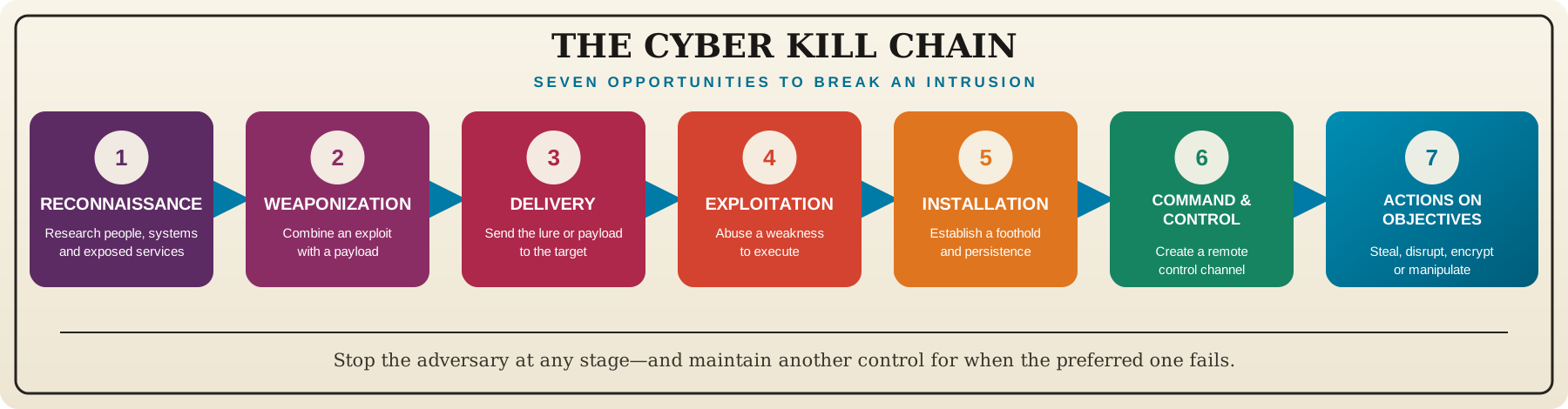 التكيف الأفقي Lockheed Martin' Cyber Kill Chain الإطار: إعادة التوازن والتسليح والتسليم والاستغلال والتركيب والقيادة والسيطرة والإجراءات المتعلقة بالأهداف.*
Lockheed Martin المطورة Cyber Kill Chain وفي إطار نموذج دفاعي مدفوع بالاستخبارات يصف كيف ينتقل الخصم من الإعداد إلى هدف تنفيذي، ويشير مصطلح " سلسلة القتل " إلى وقف هذا التقدم؛ ولا يصف خطورة الحادث أو يعني أن كل تدخل ينتهي بضرر مادي.
وبالنسبة للقراء الذين يدخلون أمن الفضاء الإلكتروني من الهندسة أو المخاطر أو القانون أو التمويل أو الاتصالات أو من تأديب آخر، فإن الإطار يوفر محفزا مشتركا للتسلسل، ونادرا ما يكون الانتهاك حدثا واحدا، وهو عادة سلسلة من القرارات والإجراءات التقنية، يمكن لأي منها أن يقدم أدلة قبل أن يصبح الأثر النهائي واضحا.
المراحل السبع
| المرحلة | ما يحاول الخصم فعله | في الحالات التي قد تحدث فيها أدلة أو انقطاع |
|---|---|---|
| استطلاعي | تعلم عن الناس والنظم والموردين والخدمات المكشوفة | جرد الطرود العامة، فحص القياس عن بعد، سجلات الهوية، إدارة التعرض. |
| الأسلحة | تكوين استغلال مع الشفرة أو آلية أخرى معدة للهدف. | الاستخبارات عن التهديدات، وتأمين التنمية والضوابط التي تجعل الحمولات المشتركة غير موثوقة. |
| التسليم | أحضر الحمولة، والصلة الخبيثة، أو الوثائق أو الهندسة الاجتماعية التي تجذب إلى الهدف. | :: مراقبة البريد الإلكتروني والشبكة، وسياسة التعاون، وقنوات الإبلاغ، والمقاييس عن بعد للموردين. |
| الاستغلال | تُجرّبُ a عيب أَو سوءَ الثقةِ لكسبِ الإعدامِ أَو الوصولِ. | حالة الطلاء، العزلة التطبيقية، سجلات التوثيق، المصفح أو قياس الوثائق |
| التركيب | إنشاء نظام غير مأمون أو ثبات أو موطئ قدم آخر. | مراقبة التطبيقات، كشف النهايات، أقل الامتيازات، رصد الثبات. |
| القيادة والسيطرة | إنشاء قناة يمكن للمشغل من خلالها توجيه النظام المهين. | (ج) ضوابط التجاوزات، وأجهزة الـ دي إن إس، والرصد اللاحق، والتجزئة، والقدرة على عزل المضيف. |
| الإجراءات المتعلقة بالأهداف | سرقة أو تعطيل أو تشفير أو التلاعب أو إكمال المهمة بطريقة أخرى. | ضوابط البيانات، الدعم المرن، فحص الغش، احتواء الحوادث، التعافي |
وتكمن القيمة التحليلية في سؤالين: ** أي جزء من التسلسل يمكن أن يُراقب أو يُقاطع، وما هي الأدلة التي لا تزال قائمة إذا فشلت تلك السيطرة؟** يمكن أن يقطع التصفيف البريدي الإيميلي التسليم، في حين أن سجلات تحديد النهايات أو المعلومات عن الهوية قد تحدث بعد مرور رسالة، ويمكن أن يكشف الكشف عن نقطة النهاية عن التركيب، في حين يظل توثيق المهاجم وسجلاته وثيق الصلة عندما يستخدم وثائق تفويض صحيحة بدلا من استخدام البرمجيات.
حدود النموذج
سلسلة الهجوم السيبراني كما أن التطفلات الحديثة لا تكون متعمدة، في حين أن الاقتحامات الحديثة كثيرا ما تكون غير موجودة، فقد يبدأ المهاجمون بوثائق سحابية صحيحة، ويتخطىون تركيب البرمجيات، ويستخدمون أدوات نائية مشروعة، ويكررون اكتشافهم بعد كل تحرك أو عمل عبر الهوية، ويعودون إلى مرحلة ما بعده، ومن ثم فإن مرحلة تصنف الغرض والتطور، وليس من الزمن الذي سيسترد فيه كل تحقيق.
MITRE ATT&CK يكمل السلسلة بجهاز أكثر تفصيلاً للسلوك الملاحظ في العمليات الحقيقية، بما في ذلك الوصول الأولي، والتنفيذ، والثبات، والوصول إلى الابتكار، والحركة الأفقية، والتجميع، والتنقية، والتأثير، ويصف هذا النظام التقني والسلوك في قرار أكبر؛ ويشرح " كيل شاين " كيف تتراكم أعمال منفصلة نحو هدف ما، وتجيب الأطر على أسئلة مختلفة بدلاً من أن تتنافس على أن تكون الرسم البياني الصحيح الوحيد.
قصص هذا الأسبوع عبر مراحل السلسلة
ولا يتطابق القلنسوة مع الحوادث غير المتصلة بها، بل يوفر طريقة مشتركة لتحديد موقع جزء من عملية أصبحت ظاهرة للعيان، ولم توضح المراحل التي لم يُقدم فيها التقرير بعد.
| قصة | حيث يظهر في السلسلة | ما يوضحه الإطار |
|---|---|---|
| حملة وكلاء الذكاء الاصطناعي في تايوان | الاستطلاع وصولاً إلى الإجراءات على الأهداف | أفادت التقارير بأن الوكلاء ربطوا بين الاكتشاف والوصول إلى بيانات الاعتماد والحركة وجمع البيانات عبر أنظمة متعددة. وجاءت أهمية ذلك من قدرتهم على مواصلة التسلسل، لا من ابتكار استغلال استثنائي واحد. |
| N-central توفيق | الاستغلال والتركيب والقدرة القيادية | ويمكن أن ينهار الوصول الإداري إلى منصة الإدارة عدة مراحل، فالكونول الموثوق به يزود بالفعل آليات للتنفيذ عن بعد، ونشر البرامجيات، ومراقبة آلات المجرى المائي. |
| CVE-2026-68820 | الاستغلال وتصاعد الامتيازات | The Windows العيوب هي إحدى الرابطتين الأوسطتين، ولا يزال المهاجم بحاجة إلى موطئ قدم أولي قبل استخدامها، ويتطلب خطوات لاحقة للاستمرار في البيانات القيمة أو الاتصال بها أو الوصول إليها. |
| Gunra الفدية | الوصول الأولي من خلال إجراءات تتعلق بالأهداف | والتشفير هو آخر عمل مرئي، إذ أن السرقة الخلقية، والتنقل الداخلي، وجمع البيانات، والأضرار التي تلحق بنظم الاسترداد تحدث في وقت سابق، وتشرح أسباب بدء الحادث قبل مذكرة الفدية. |
| ChainDrop npm توفيق | :: التسليح والتسليم من خلال برامجيات موثوق بها | وتحوّل مجموعة مواد مسمّمة إلى اعتماد إنمائي عادي في آلية التسليم، ثم تسمح وثائق تفويض النشر المسروقة بالعملية من جديد عن طريق علاقات موثوق بها. |
| سرقة دفعة ضرائب فرنسية | الإجراءات المتعلقة بالأهداف | ويؤكّد الإبلاغ العام استخراج البيانات الختامية، ولكن يترك أجزاء من الطريق السابق قيد التحقيق، مما يجعل هذا الغياب واضحاً بدلاً من ملئه بافتراضات. |
وتبين هذه المقارنة أيضاً أين تضيق الطراز الخطي، وقد عاد وكلاء تايوان مراراً إلى الاكتشاف أثناء انتقالهم بين النظم. N-central بدأت من طائرة التحكم التي كانت تمتلك بالفعل وصولاً مشروعاً ChainDrop :: الثقة في البرامجيات المستعملة لتوزيعها، ويمكن للحملات الحديثة أن تدور أو تتخطى مراحل أو أن تُجرى عدة سلاسل في آن واحد؛ ولا يزال الإطار مفيدا كوصف للتقدم، وليس كدعوى بأن كل تدخل يتبع سبع خطوات متفرقة.